

What Is Lock Rekeying? A Practical Security Guide

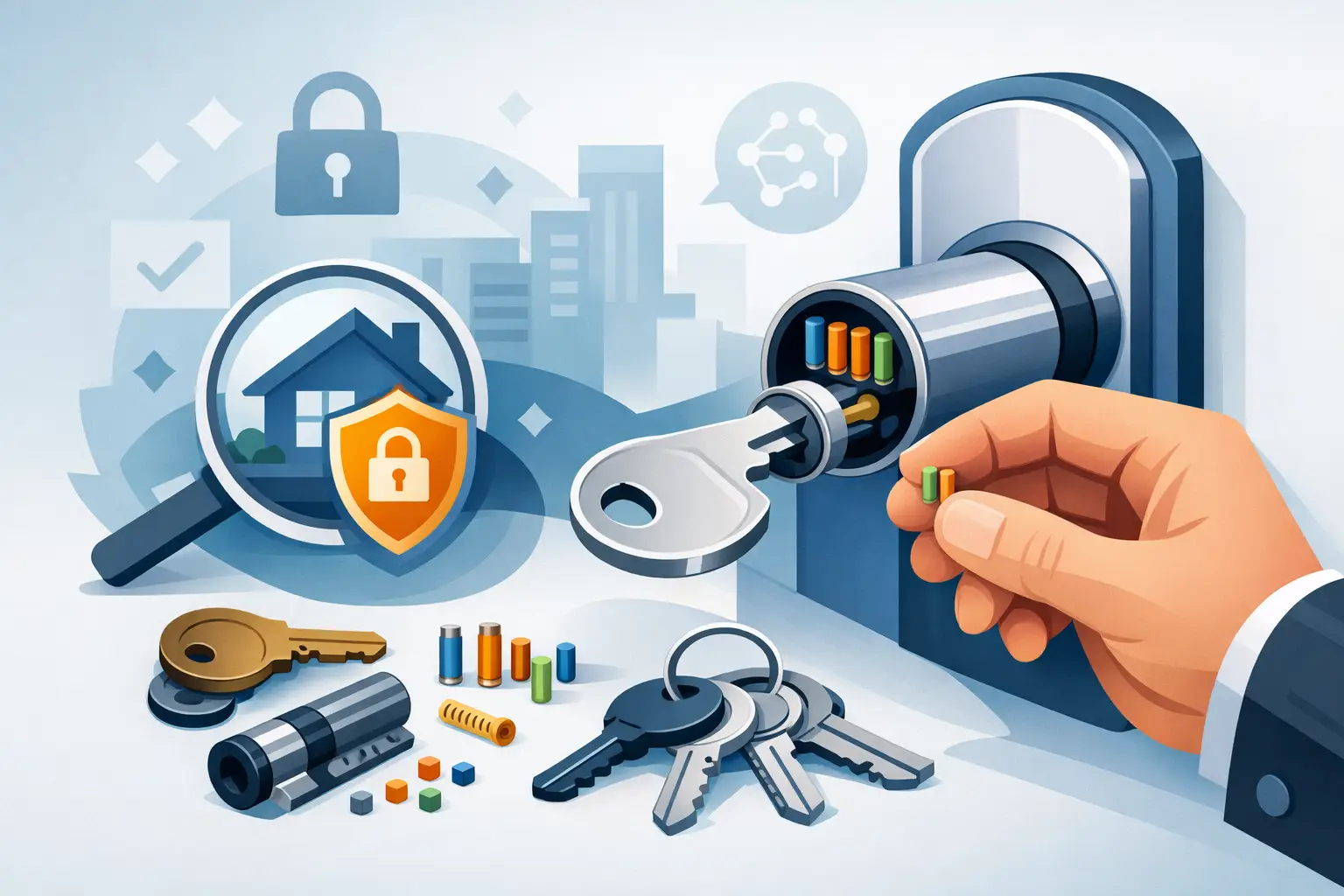
The keys to a new home are supposed to feel like a fresh start. But unless you know exactly who had copies before you moved in, those keys may still be in the hands of a former owner, tenant, contractor, neighbor, or cleaner. So, what is lock rekeying? It is a practical way to stop old keys from working without necessarily replacing the locks already installed on your doors.
For homeowners, renters, and business owners in Raleigh, rekeying is often one of the fastest ways to regain control over who can enter a property. It is a security decision that can be scheduled after a move, handled following a lost key, or completed as part of a broader lock upgrade.
What Is Lock Rekeying and How Does It Work?
A standard keyed lock contains a cylinder with small internal components called pins. Your key raises those pins to a precise position, allowing the cylinder to turn and the lock to open. During rekeying, a locksmith changes the pin configuration inside the lock cylinder. Once the work is complete, the old key no longer aligns with the pins, so it will not operate the lock.
The lock hardware itself usually stays on the door. You receive a new key that matches the new configuration, and the lock functions as it did before.
That distinction matters. Rekeying changes key access, while replacing a lock changes the hardware. If your existing locks are in good working condition and offer the level of security you need, rekeying can be the more efficient option. If a lock is damaged, worn out, low quality, or no longer suitable for the door, replacement may be the better choice.
When Rekeying Your Locks Makes Sense
Rekeying is not only for emergencies. It is one of the most sensible security steps after any change in occupancy or key control. A professional locksmith can assess the condition of your locks and recommend whether rekeying will solve the problem.
Common situations include:
- Moving into a newly purchased home, rental, office, or retail space
- Losing keys or having them stolen
- Ending a tenant, employee, roommate, or contractor relationship
- Buying a used vehicle with an uncertain key history
- Wanting several exterior locks to work with one key
- Changing access after a break-in or attempted break-in
A lost key does not always mean someone can identify your address. Still, if the key was lost with identifying information, left near the property, or taken by someone you do not trust, rekeying is a reasonable precaution. It removes the uncertainty rather than asking you to live with it.
For businesses, rekeying can be especially valuable when employee turnover occurs. Rather than collecting keys and hoping every copy is returned, a business owner can change the keying and issue new keys only to authorized staff.
Rekeying vs. Replacing Locks
The right choice depends on the condition of your lock, the type of door, your security goals, and your budget. Rekeying is often less expensive than replacing multiple locks because it uses the existing hardware. It can also preserve the appearance of matching handles and deadbolts throughout a home or business.
However, rekeying does not make a weak lock stronger. If your deadbolt is loose, your key sticks, the latch does not line up correctly, or the lock has been damaged during a break-in, changing pins alone may not be enough. A locksmith may recommend replacing the hardware or upgrading to a higher-security deadbolt.
Replacement can also make sense when you want features your current locks do not have, such as keyless entry, restricted key systems, smart lock integration, or commercial-grade access control. Rekeying solves the question of who has a working key. New hardware can solve that question while adding better protection and convenience.
Can Every Lock Be Rekeyed?
Many residential deadbolts, knob locks, lever locks, and commercial cylinders can be rekeyed. But not every lock is designed for it. Some low-cost locks cannot be serviced easily, while others are worn or damaged enough that replacement is more reliable.
Electronic locks are a separate case. A keypad or smart lock may not use a traditional key at all, or it may use a backup key cylinder alongside digital codes. In those cases, restoring access control could involve deleting old user codes, resetting credentials, reprogramming the device, rekeying the backup cylinder, or a combination of these steps.
A qualified locksmith should inspect the lock before making promises about the best solution. This is particularly important with older homes, commercial storefronts, high-security locks, and properties where several different lock brands have been installed over time.
What Happens During a Professional Rekey Service?
Rekeying is precise work. A locksmith starts by confirming ownership or authorization, then examines each lock to determine whether it is serviceable. The cylinder is removed from the lock, disassembled carefully, and fitted with new pins that correspond to a new key.
After reassembly, the locksmith tests the new key several times and verifies that the latch or deadbolt operates properly. If you have multiple exterior doors, the locks may be keyed alike so one key works on the front, back, side, and garage entry doors, provided the hardware is compatible.
This is also a good time to check for door alignment problems. A deadbolt that requires force to turn can wear out faster and may leave you stuck outside at the worst possible moment. Minor adjustments to the strike plate or door alignment can improve how the lock performs day to day.
For a business, the work may include creating a master key system. In a properly planned system, employees can use keys for the doors they need, while managers or owners hold a master key that operates a larger group of locks. Master keying is useful, but it needs careful planning. Adding convenience should not mean giving more access than necessary.
Why New Property Owners Should Rekey Promptly
A property can change hands many times, but keys often keep circulating long after that. Previous residents may have given copies to family, dog walkers, babysitters, vendors, maintenance workers, or neighbors. Even if everyone involved is trustworthy, you cannot know whether every copy was returned or misplaced.
Rekeying shortly after taking possession gives you a known starting point. You know which keys work, how many copies exist, and who has them. That peace of mind is difficult to get by simply receiving a handful of keys at closing or from a landlord.
Renters should first review their lease and speak with the property manager before changing locks. Some leases require approval, provide rekeying between tenants, or require management to keep an emergency key. A locksmith can help explain the available options, but the tenant should make sure the work complies with the lease.
Rekeying After a Lockout, Lost Key, or Break-In
A lockout alone does not automatically require rekeying. If your keys are safely inside the house or vehicle and have not been lost or stolen, a locksmith may be able to provide entry without changing the lock. Rekeying becomes more relevant when your keys are missing, copied without permission, or connected to a potential security concern.
After a break-in or attempted break-in, the priority is securing the property. The lock may need rekeying, replacement, repair, or an upgrade depending on what happened. A damaged door frame, weak strike plate, or compromised deadbolt can leave a property vulnerable even if a new key is issued. The right response looks at the complete entry point, not just the keyway.
Choosing a Locksmith for Rekeying in Raleigh
Because rekeying affects the security of your home, vehicle, or business, choose a professional who can identify the lock type, explain your options clearly, and provide properly cut keys that are tested before the job is finished. Be cautious of vague pricing or anyone who recommends replacing every lock without first assessing its condition.
Advance Locksmith Inc provides mobile locksmith service for Raleigh-area customers who need help with rekeying, lock changes, lockouts, and security upgrades. Whether the situation is urgent or planned, a clear assessment can help you choose the solution that protects your property without paying for work you do not need.
A new key is more than a piece of metal. It is a decision about access. When you are no longer certain who may have a working copy, rekeying gives you a clean, controlled place to start.