
When to Call an After Hours Locksmith for Businesses

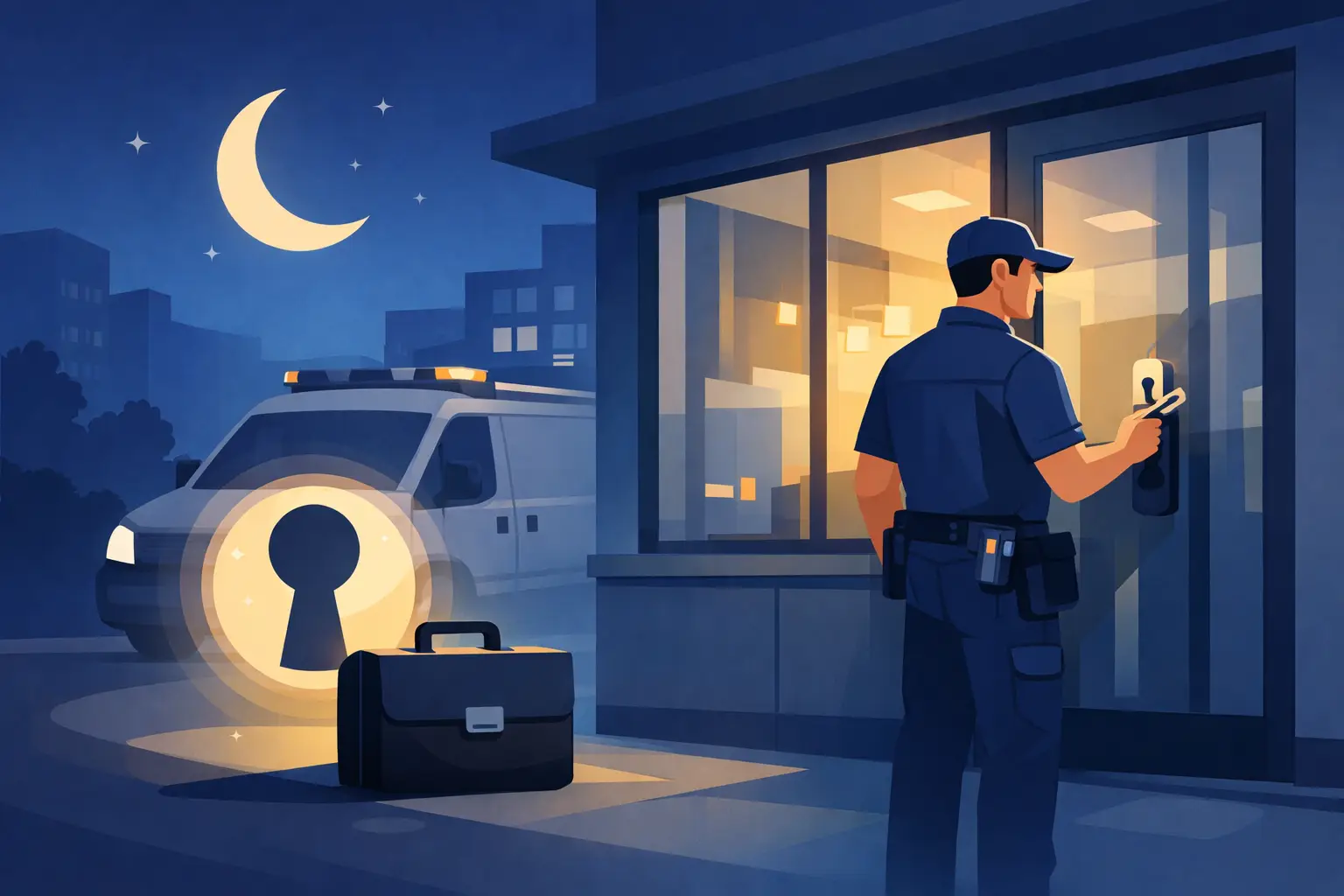
A manager arrives before opening to find a key will not turn, a storefront door will not latch, or an employee is standing outside after closing with no way back in. These are the moments when an after hours locksmith for businesses becomes more than a convenience. Fast, professional help can protect your people, secure your inventory, and keep a small access problem from becoming a costly disruption.
For business owners in Raleigh and nearby communities, security issues rarely happen on a convenient schedule. A damaged lock after a late delivery, a lost master key, or a break-in can leave a property exposed overnight. Knowing when to call and what to expect helps you make a clear decision when the pressure is high.
When a Business Needs After-Hours Locksmith Help
The most obvious reason to call is a lockout. An owner, manager, or closing employee may have lost a key, left it inside, or encountered a malfunctioning lock. Forcing the door, prying a window, or trying makeshift tools can damage the frame and hardware, create a safety issue, and lead to a more expensive repair. A qualified locksmith can evaluate the entry point and use the least destructive method possible to restore access.
A lockout is not the only urgent situation. Call for immediate help when a door will not secure at closing, a key breaks inside a lock, an electronic keypad stops working, or an exit door has hardware that is sticking or damaged. If you cannot confidently lock up the building, the issue should be treated as a security concern, not something to postpone until morning.
Break-in damage also requires a prompt response. A compromised door, bent latch, broken deadbolt, or damaged strike plate can leave a business vulnerable to another entry attempt. The priority is to secure the property first. Once the immediate risk is under control, you can decide whether the situation calls for a basic repair, rekeying, new commercial-grade hardware, or a broader access control upgrade.
Lost Keys and Employee Changes
A lost key does not always mean a criminal has it, but it does mean you no longer know who may have access. The risk is higher if the lost key carries an address, business name, suite number, or identifying tag. It is also higher when a former employee, contractor, vendor, or tenant has not returned keys.
In these cases, rekeying is often the practical option. The lock cylinder is adjusted so old keys no longer work, while the existing hardware may remain in place. Replacing every lock can make sense when hardware is worn, damaged, or below the security level your property needs, but rekeying is frequently faster and more cost-conscious when the lock itself is still in good condition.
What an After Hours Locksmith for Businesses Can Handle
Commercial properties use a wide range of doors and security hardware. A professional mobile locksmith should be prepared to address common office, retail, warehouse, restaurant, and multi-tenant property issues, including lockouts, damaged locks, broken keys, door hardware repairs, key replacement, and lock rekeying.
The right solution depends on the door and the problem. A standard office suite may need a cylinder rekey, while a retail rear entrance may require a stronger deadbolt, latch repair, or reinforcement around the strike plate. A business with several employees and frequent turnover may benefit from restricted keyways or electronic access control rather than issuing more physical keys.
High-security locks can add protection against common bypass and forced-entry methods, but they are not automatically the right fit for every door. The building layout, employee access needs, insurance requirements, and budget all matter. A professional locksmith can explain the options clearly so you can choose protection that fits your operation rather than paying for features you do not need.
Electronic Access Problems After Closing
Keypads, card readers, smart locks, and access control systems can reduce the need for physical keys, but they can also fail due to dead batteries, damaged hardware, lost credentials, programming errors, or power-related issues. If an electronic lock prevents authorized staff from entering or keeps a critical door from locking, call for service instead of bypassing the system.
Before help arrives, check simple items that do not compromise security. Confirm whether the door is fully closed, look for a low-battery indicator, and verify that the correct user code or credential is being used. Do not remove panels, cut wiring, or prop open a security door for the night. Those shortcuts can create larger repair costs and leave the business exposed.
What to Do While You Wait for Service
Your first responsibility is the safety of employees and customers. If there has been a break-in, signs of forced entry, or a threat to anyone on site, contact law enforcement first. Avoid touching damaged locks, doors, or nearby surfaces more than necessary, especially if the area may need to be documented.
If the issue is a lockout without signs of a crime, move staff to a safe, well-lit location and keep the entrance visible if possible. Do not leave cash, sensitive documents, portable electronics, or keys in an unsecured vehicle while waiting. If a door will not lock, stay on site when it is safe to do so until the property can be secured.
When you call, be ready to provide the business location, the type of door involved, a brief description of what happened, and whether the property is currently unsecured. Let the locksmith know if there is break-in damage, a broken key, a keypad issue, or a restricted-access area. Clear information helps the technician arrive with the right tools and replacement hardware.
Choosing a Locksmith You Can Trust at Night
After-hours emergencies make people vulnerable to rushed decisions. Look for a local, licensed locksmith with clear communication, commercial experience, and 24-hour mobile availability. The technician should ask practical questions about the problem, explain the likely service needed, and provide pricing information before work begins whenever the situation allows.
Be cautious of anyone who immediately recommends drilling or replacing a lock without inspecting it. Some failures require replacement, particularly after significant damage, but many lockouts and key problems can be resolved without destroying the existing hardware. A professional will assess the condition of the lock, the door, and the security needs of the property before recommending the next step.
Advance Locksmith Inc provides mobile emergency locksmith service for Raleigh-area businesses that need prompt help after normal business hours. The goal is simple: restore authorized access, secure the property, and explain your options without adding confusion to an already stressful situation.
Preventing the Next Late-Night Call
Emergency service is there when you need it, but a few practical policies can reduce repeat problems. Keep a documented key-control process, collect keys and credentials immediately when employment ends, and avoid marking keys with the business address. Schedule routine checks for exterior doors, closers, panic hardware, locks, and strike plates before small wear issues become a failure at closing time.
For businesses with multiple keyholders, consider whether a master-key system, restricted keys, or access control would make accountability easier. There is a trade-off: more advanced systems can improve control and simplify credential changes, but they require proper setup and occasional maintenance. A small business with one or two trusted keyholders may only need quality commercial locks and a better rekeying policy.
A door that will not open or lock properly is never just an inconvenience when your business, staff, and property are involved. Address the immediate issue quickly, then use the repair as an opportunity to make the next closing shift safer and less stressful.