
Car Lockout: Safe Steps When You Need Help

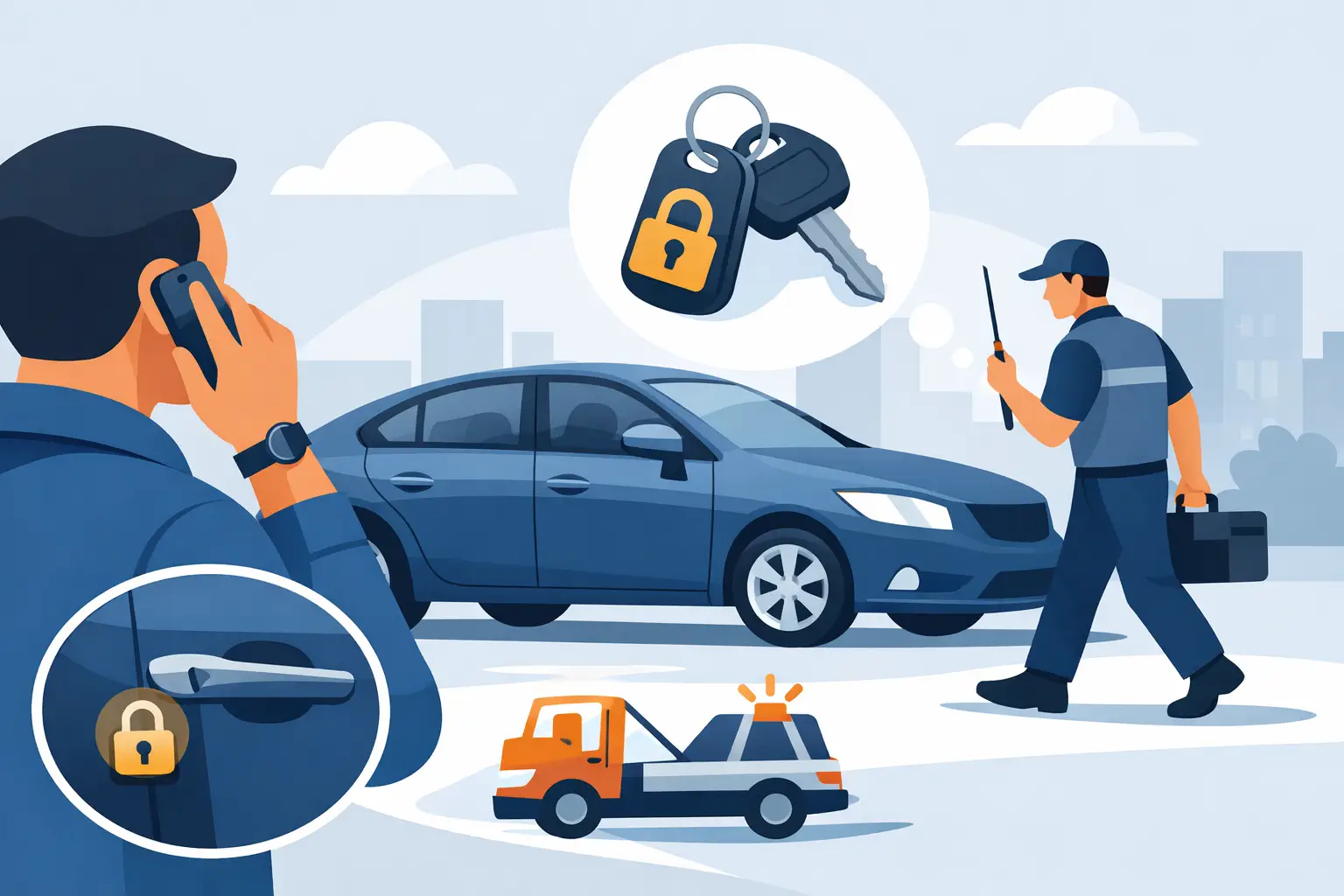
A car lockout can turn an ordinary stop at a Raleigh grocery store, office, or gas station into a stressful situation in seconds. Your keys may be sitting on the seat, trapped in the trunk, missing entirely, or refusing to work with the ignition. The priority is simple: stay safe, protect your vehicle from damage, and get reliable help without wasting time on risky shortcuts.
First Steps During a Car Lockout
Before trying to force your way into the vehicle, take a moment to assess the situation. Confirm that every door and the trunk are locked, and check whether a passenger-side door was left open. If you have a spare key available nearby, that may be the fastest solution. A family member, roommate, or trusted friend may be able to bring it to you.
If your vehicle uses a key fob, replaceable battery trouble can sometimes look like a lockout. Many fobs have a concealed mechanical key that slides out and can open the driver’s door. Check your owner’s manual or the fob itself for a release tab. Some newer vehicles also have a backup start procedure if the fob battery is weak.
Your surroundings matter, too. If you are stranded along a busy road, in an unfamiliar area, or late at night, move to a safe, well-lit location if possible. Stay aware of traffic and avoid standing between vehicles. If a child, pet, or vulnerable person is locked inside, call 911 immediately. Heat and cold can become dangerous much faster than most people expect.
Do Not Risk Damage to Save a Few Minutes
A wire hanger, slim jim, shoelace, wedge, or improvised tool may look like an easy answer online. In practice, these methods can create a much more expensive problem. Modern vehicles contain side-impact airbags, wiring harnesses, weather seals, electronic locks, sensors, and anti-theft components inside the door area. One wrong move can damage the locking mechanism, scratch paint, bend the door frame, or trigger an airbag-related repair.
Older vehicles sometimes had simple manual lock rods that were easier to reach. Most current cars are different. The right approach depends on the make, model, year, lock design, and whether the vehicle has keyless entry or a smart key system. What works on one car may cause damage to another.
Breaking a window should never be the first response to a car lockout. Beyond the obvious risk of injury, shattered glass can damage upholstery and create a costly cleanup and replacement job. It is only a possible emergency measure when someone inside faces immediate danger and emergency responders direct you to act.
When Calling a Locksmith Is the Right Move
A licensed automotive locksmith is often the most practical choice when you need access quickly and want to avoid unnecessary damage. Professional technicians use vehicle-appropriate entry methods and tools designed to protect the door, lock, and interior components. They can also identify whether the problem is truly a lockout or a failing key, damaged ignition, weak fob battery, or malfunctioning door lock.
This is especially helpful when your keys are lost rather than merely locked inside. Depending on the vehicle, a locksmith may be able to cut a replacement key, program a transponder key or key fob, and help you get back on the road without waiting for a dealership appointment. Dealership service can be a good option for certain specialty keys or warranty situations, but it may not be the fastest choice after regular business hours.
When you call for help, be ready to provide your location, vehicle make, model, year, and a clear description of the issue. Let the technician know whether the keys are visible inside, locked in the trunk, lost, broken, or stuck in the ignition. Have your identification and proof of vehicle ownership available. A reputable locksmith will want to verify that they are opening or servicing the correct vehicle.
For drivers in Raleigh and nearby communities, Advance Locksmith Inc provides 24-hour mobile locksmith service for urgent automotive access needs. A mobile response can be particularly valuable when you are away from home, parked at work, or dealing with a lockout late at night.
What a Professional Car Lockout Service Can Handle
Car lockouts do not all look the same, and neither does the solution. A trained automotive locksmith can address a range of problems without treating every situation as a basic door-opening job. This may include retrieving keys locked inside the cabin, opening a locked trunk, extracting a broken key, creating a replacement key, programming certain key fobs, or diagnosing a key that no longer communicates with the vehicle.
The technician should explain the likely approach before beginning work and answer reasonable questions about pricing. The final cost can depend on the vehicle type, the time of day, your location, the kind of key involved, and whether replacement or programming is needed. Be cautious of unusually low quotes that change dramatically once a technician arrives. Clear communication up front is a good sign that you are dealing with a professional service provider.
How to Reduce the Chance of Another Lockout
A little preparation can make the next inconvenient moment much easier to manage. Keep a spare key in a secure place that is not inside the vehicle. For some households, that means leaving it with a trusted family member. For others, a properly secured magnetic key holder may be appropriate, though placement should be carefully considered and never obvious.
Pay attention to early warning signs. If your key fob only works intermittently, the buttons feel worn, or you need to stand unusually close to the car before it responds, replace the battery before it fails completely. If the mechanical key sticks in the door or ignition, do not force it. A worn key or damaged lock can break at the worst possible time.
Drivers who share vehicles should also agree on a simple key routine. Decide where keys belong at home, who keeps the spare, and what to do when someone borrows the car. For businesses with fleet vehicles, labeled storage and controlled access can prevent lost keys from becoming an expensive interruption to the workday.
Phone-based digital keys and manufacturer apps can provide a backup for some newer vehicles, but they should not be your only plan. Your phone may be dead, damaged, out of service range, or locked inside the car with your physical key. Keep your app credentials secure, maintain a charged phone, and understand the vehicle’s backup access options before an emergency happens.
Choosing Help You Can Trust
When you are locked out, speed matters, but so does professionalism. Look for a local locksmith that clearly identifies its business, provides a realistic arrival estimate, asks for vehicle details, and verifies ownership before opening the door. A qualified technician should work carefully rather than promising a one-size-fits-all trick for every vehicle.
Avoid handing over sensitive vehicle information or payment details to an unverified provider. If you are unsure, ask for the company name, the technician’s identification, and an explanation of the expected charges. A few clear questions can help you make a confident decision while you wait.
A car lockout is frustrating, but it does not have to become a damaged door, broken window, or long night stranded in a parking lot. Put safety first, resist improvised entry methods, and keep the number of a dependable local locksmith available before you need it.