

Apartment Lock Change After Tenant Move-Out

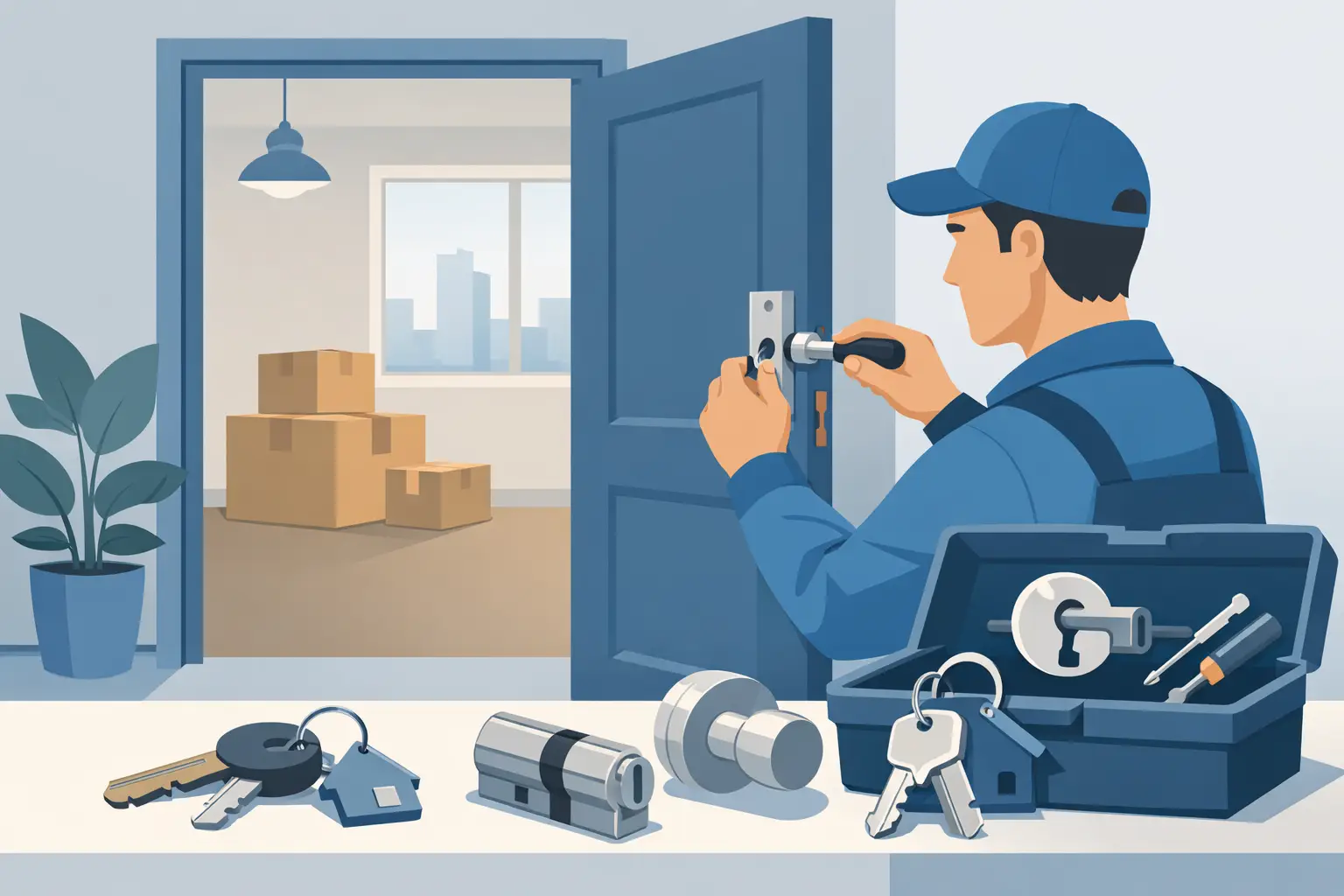
When a tenant moves out, the old keys do not always leave with them. Spare copies may be with roommates, relatives, cleaners, contractors, or anyone else who had access during the lease. That is why an apartment lock change after tenant move-out is not just a maintenance task. It is a basic security step that protects the unit, the next resident, and the property owner from preventable risk.
For landlords and property managers in Raleigh and nearby areas, this decision usually comes down to two options: rekey the existing lock or replace it entirely. Both can be the right call, but they solve slightly different problems. The best choice depends on the condition of the hardware, the level of security you want, and how quickly you need the unit ready.
Why apartment lock change after tenant matters
A turnover creates a gap in control. Even if the former tenant returns every key they were given, there is no way to verify whether duplicates were made. In many cases, they were. That does not mean a former tenant has bad intentions, but security should not depend on assumptions.
There is also the issue of liability and resident confidence. If a new tenant moves in and later discovers that an old key still works, trust is gone immediately. For apartment owners and managers, that can turn into complaints, disputes, and avoidable exposure.
Changing access after move-out also gives you a clean reset. You know exactly who has keys, how many exist, and what condition the lock is in. That kind of certainty matters more than many owners realize, especially in multi-unit properties where turnover happens regularly.
Rekeying vs replacing the lock
Rekeying changes the internal pins of the existing lock so the old key no longer works. The hardware on the door stays in place, but a new key is required. This is often the fastest and most cost-effective option when the lock is in good condition and you simply want to remove old access.
Replacing the lock means removing the current hardware and installing a new lockset or deadbolt. This is the better option when the lock is worn out, damaged, low quality, or no longer matches your security needs. It also makes sense if you want to upgrade to a better keyway, high-security hardware, or a keyless entry option.
For many apartment units, rekeying is enough. If the lock works smoothly, the strike is aligned, and the hardware is still dependable, there may be no reason to replace it. On the other hand, if the lock sticks, feels loose, has visible wear, or has already been rekeyed multiple times, replacement may save you more trouble later.
When rekeying is the smart move
Rekeying is usually the practical choice when speed and cost matter most. During a routine turnover, it allows the unit to be secured without changing the appearance of the door or replacing every piece of hardware. That is useful for landlords trying to keep units consistent across a building.
It is also a strong option when the lock brand and hardware are still solid. A properly rekeyed lock can provide the same immediate benefit as a new one in one key area: old keys stop working. If your main concern is cutting off previous access, rekeying handles that efficiently.
Another advantage is key control. A locksmith can often rekey multiple doors to work with one key where appropriate, which can simplify access for property management while keeping units separate and secure.
When full lock replacement makes more sense
Sometimes the existing lock is not worth keeping. If the hardware is cheap, outdated, corroded, or visibly damaged, replacing it is usually the better long-term decision. A weak lock on a rental unit can create repeated service calls, jammed keys, and avoidable lockouts.
Replacement is also worth considering after forced entry, attempted break-ins, or tenant damage. Even if the lock still turns, internal parts may be compromised. In that case, rekeying alone may not solve the problem.
Some owners also replace locks when upgrading the property. If you are renovating units, improving curb appeal, or trying to attract higher-quality tenants, updated hardware can support that goal. New deadbolts, smart locks, or restricted key systems can improve both security and convenience.
What landlords and property managers should think about
The legal side can vary by state and lease structure, so property owners should make sure their turnover process matches local requirements. From a practical standpoint, though, the security logic is simple. When occupancy changes, access should change too.
The timing matters. Waiting several days between move-out and lock service creates unnecessary exposure, especially if the unit is vacant. A former tenant, a maintenance vendor, or someone with an old copy of the key could still enter. The safest approach is to schedule service as part of the standard turnover process, ideally before showings or new occupancy.
Consistency also matters across properties. If some units are rekeyed and others are ignored, security becomes uneven and harder to manage. A routine policy helps reduce mistakes and gives owners a clear process to follow every time a tenant leaves.
What about the mailbox, storage, or common access doors?
This is where many property owners miss a step. The unit door is the main concern, but it is not always the only access point tied to the tenant. Depending on the building, there may be mailbox locks, storage room locks, garage access, gates, side entrances, laundry room keys, or shared building doors.
If the former tenant had access to more than just the apartment itself, those points should be reviewed too. In some buildings, changing one lock while leaving shared access untouched creates a false sense of security. The right approach depends on how the property is set up and who controls each access point.
Should you upgrade to keyless entry?
For some apartment owners, move-out is the perfect time to stop dealing with physical key control altogether. Keyless locks can reduce issues related to lost keys and unauthorized duplicates. Codes can be changed between tenants without replacing hardware each time, which is convenient for higher-turnover units.
That said, keyless entry is not the right fit for every building. Battery maintenance, user error, and hardware quality all matter. In some properties, a high-quality mechanical deadbolt remains the most dependable choice. In others, a well-installed electronic lock can make turnovers faster and cleaner.
The decision comes down to how the property is managed. If you want simplicity and lower upfront cost, rekeyable mechanical locks are often the best route. If you want easier access changes and modern convenience, a keyless upgrade may be worth it.
Why professional locksmith service matters
It can be tempting to treat lock changes like a basic handyman job, but security hardware needs to work correctly every time. A lock that is installed poorly, misaligned, or rekeyed incorrectly can lead to future lockouts, sticking cylinders, and weakened door security.
A professional locksmith can assess whether the existing hardware is worth keeping, rekey locks properly, cut accurate keys, and check that the lock, latch, strike, and door frame all work together. That matters more in apartment settings, where repeated use puts extra stress on the hardware.
For owners working on a tight turnover schedule, a mobile locksmith also saves time. The work can be done on-site, quickly, and with the right tools, which helps keep the unit secure and ready for the next step.
In the Raleigh area, companies like Advance Locksmith Inc handle this kind of service for landlords, property managers, and homeowners who need fast, reliable help without delays.
A simple rule for apartment turnover security
If a tenant has moved out and there is any chance someone else still has a key, the lock should be rekeyed or replaced. The only real question is which option fits the door, the budget, and the property plan.
A good lock strategy does more than check a box between tenants. It protects your unit, supports resident safety, and keeps small oversights from turning into bigger problems later. When in doubt, treat access control like any other part of property protection – reset it before the next person moves in.