
Can Locksmiths Program Car Keys? What to Know

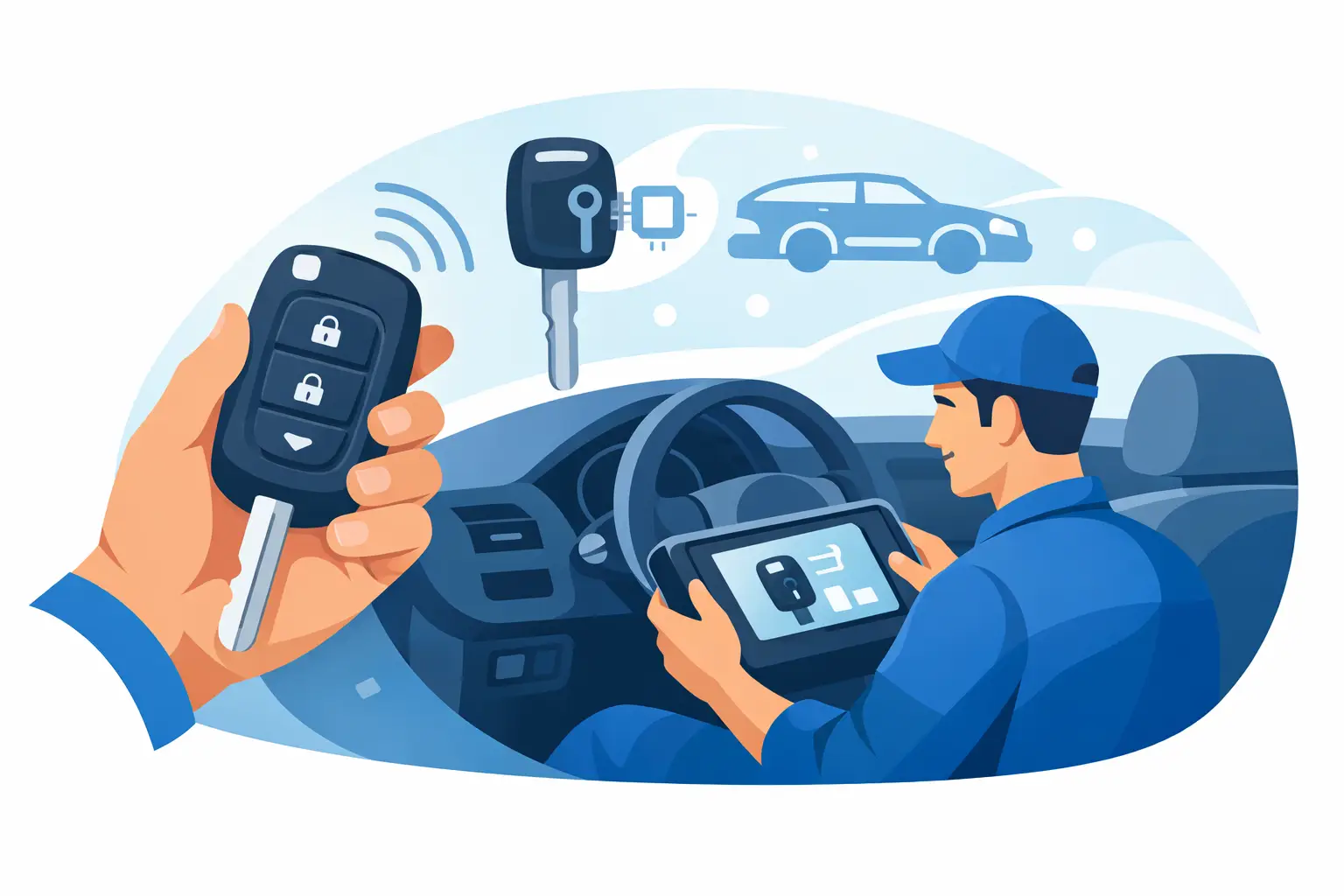
A lost key, a dead key fob, or a key that suddenly will not start the car can bring a normal day to a stop. So, can locksmiths program car keys? In many cases, yes. A qualified automotive locksmith can cut and program replacement keys, transponder keys, remote fobs, and smart keys for many vehicle makes and models, often right where your vehicle is parked.
The exact solution depends on your vehicle, the type of key it uses, and whether you still have a working key. Modern vehicle keys are security devices, not just pieces of metal. That is why the right equipment, accurate vehicle information, and professional programming matter.
Can Locksmiths Program Car Keys for Every Vehicle?
Most professional automotive locksmiths can program keys for a wide range of domestic and foreign vehicles. Many mobile locksmiths carry diagnostic tools, key-cutting equipment, transponder programming devices, and common key blanks in their service vehicles. This allows them to provide help at your home, office, parking lot, or roadside location.
However, no honest locksmith should promise that every vehicle can be handled the same way. Some newer luxury models, certain European vehicles, and cars with highly restricted security systems may require dealer-level credentials, specialized software, or a key ordered by vehicle identification number. In those situations, a locksmith can often explain the available options before work begins.
For most everyday situations, a locksmith can help with replacement transponder keys, chip-key programming, remote head keys, key fobs, push-button-start smart keys, and remote programming. They may also be able to erase lost keys from the vehicle’s memory, which is a smart security step if your keys were stolen rather than misplaced.
Why Car Key Programming Is Necessary
A basic mechanical key turns a lock and starts an older ignition. A modern key usually communicates electronically with the vehicle. Inside many keys is a transponder chip that sends a coded signal to the car’s immobilizer system. If the code is missing or incorrect, the key may turn in the ignition but the engine will not start.
Smart keys and proximity fobs work differently, but the purpose is similar. The vehicle must recognize the fob before it allows push-button starting, remote entry, or other functions. Simply buying a blank key or used fob does not guarantee it will work. It must be compatible with your vehicle and programmed correctly.
This is also why a cheap online key can become expensive if it is the wrong frequency, part number, blade style, or chip type. A professional locksmith can identify the right key before cutting or programming it, reducing the chance of wasted time and money.
The Key Type Changes the Process
The age and design of your vehicle determine how involved programming will be. Older cars may use a simple metal key that only needs to be cut. Many vehicles from the late 1990s onward use transponder keys. Newer vehicles may require a smart key, proximity fob, laser-cut key, or a combination of remote and transponder programming.
Some vehicles allow a new key to be added when two working programmed keys are available. If all keys are lost, the process is usually more involved because the locksmith must access the vehicle’s security system, generate the correct key, and program it from scratch. That additional work can affect both service time and price.
What a Mobile Locksmith Needs to Program Your Key
A reputable locksmith will verify that you own or are authorized to access the vehicle before making a new key. This protects vehicle owners and helps prevent unauthorized key creation.
Have your driver’s license or government-issued photo identification available, along with the vehicle registration, title, insurance card, or another document that connects you to the vehicle. The vehicle identification number is also useful. It is often visible through the windshield on the driver’s side dashboard or on the driver’s door frame.
If possible, tell the locksmith the year, make, model, and trim level when you call. Let them know whether you have any working keys, whether the car uses a push-button start, and what happened to the original key. Clear details help the technician arrive prepared with the correct equipment and key options.
When a Locksmith Is Often a Better Option Than a Dealership
Dealerships can provide replacement keys, but they may require you to tow the vehicle to their location if no working key is available. They may also need to order the key, which can leave you waiting for days. For a vehicle that is stranded in a driveway, at work, or in a parking lot, that is not always practical.
A mobile locksmith can often come to you and complete the job on-site. This may avoid towing costs and get you back on the road sooner. It is especially helpful after hours, during a lockout, or when you need an additional key before a long trip.
That said, a dealership can be the right choice for certain highly restricted systems or warranty-related concerns. The best option is the one that works with your specific vehicle while providing clear pricing, proper verification, and dependable service.
What Affects the Cost of Programming a Car Key?
There is no single price for car key programming because vehicles and keys vary widely. A standard transponder key generally costs less than a smart key for a late-model vehicle. The cost may also increase when every key has been lost, when the vehicle uses a high-security laser-cut key, or when programming requires more advanced diagnostic work.
Location and urgency can matter as well. Emergency mobile service at night, on a weekend, or in an unsafe roadside situation may be priced differently than a scheduled daytime appointment. Before authorizing work, ask for a clear explanation of the service call, key cost, cutting, programming, and any applicable taxes or additional charges.
The lowest quote is not always the best value. An incorrectly programmed key can leave you stranded again, and a low-quality blank may fail sooner than expected. Choose a licensed, experienced locksmith who can explain what key is being supplied and stand behind the work.
Signs Your Key May Need Programming, Not Just a Battery
A weak key fob battery can cause remote-lock and proximity-entry problems, but it does not always explain a no-start issue. If the dashboard displays a key or immobilizer warning, the engine cranks but will not start, or the vehicle does not recognize a fob that has a fresh battery, programming or key replacement may be needed.
Damage can also be the issue. Water exposure, a cracked fob case, worn buttons, or a damaged transponder chip can prevent normal operation. Avoid repeatedly forcing the key into the ignition or attempting online programming procedures that do not match your vehicle. A failed attempt can sometimes create additional problems or leave the car unable to recognize existing keys.
What to Do If You Lose All Your Car Keys
First, make sure you and the vehicle are in a safe location. If you are blocking traffic, stranded in an unfamiliar area, or dealing with extreme weather, call for professional help promptly. Do not leave the vehicle unsecured while searching for the key.
When you contact an automotive locksmith, provide the vehicle information and explain that all keys are lost. The technician can confirm what documentation is needed, whether the key can be made on-site, and the expected service process. If theft is suspected, ask whether the old keys can be removed from the vehicle’s memory so they cannot be used to start it later.
For Raleigh-area drivers, Advance Locksmith Inc provides professional mobile locksmith assistance when key trouble cannot wait. The goal is straightforward: verify ownership, identify the correct key solution, and help restore access without adding unnecessary stress to an already difficult situation.
A spare programmed key is one of the simplest ways to avoid a future emergency. Once you are back on the road, consider having an additional key made and tested while a working key is still available. It is a small step that can save significant time, towing expense, and frustration when life gets busy again.