
How to Program a Transponder Key in Raleigh

A car key can look perfectly normal and still refuse to start the vehicle. If the metal blade turns but the engine will not crank or starts briefly and shuts off, the issue may be the chip inside the key. To program a transponder key correctly, that chip must be recognized by your vehicle’s immobilizer system. It is not the same as cutting a key, and a small programming mistake can leave you with a car that will not start.
For Raleigh drivers, this problem often appears at the worst possible moment: before work, outside a store, or after losing the only working key. Knowing what a transponder key does, what programming involves, and when professional help is the safer choice can save time and avoid an unnecessary tow.
What a Transponder Key Actually Does
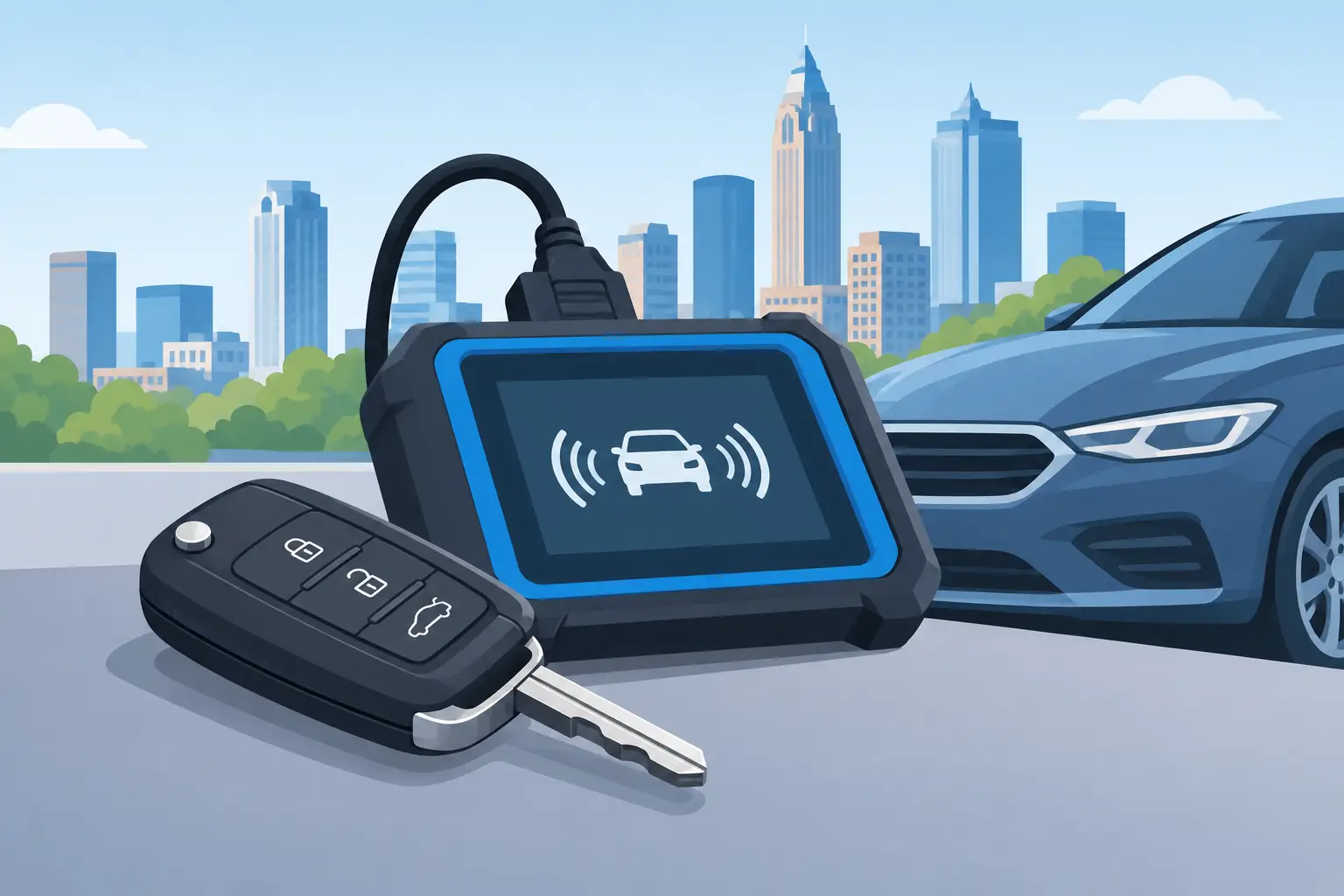
A transponder key contains a small electronic chip, usually housed in the plastic head of the key. When you insert the key into the ignition or bring it within range of a push-button start system, the vehicle sends a signal to the chip. The chip responds with an identification code. If the code matches the vehicle’s stored information, the immobilizer allows the engine to start.
This security feature helps reduce vehicle theft because a correctly cut metal key alone may not start the car. The ignition can turn, but the vehicle will not receive the electronic authorization it needs.
Many vehicles built from the late 1990s onward use transponder technology. The exact system varies by make, model, and year. Some keys have a visible plastic head, while others are built into remote head keys, flip keys, smart keys, or proximity fobs. That variation matters because the correct chip type and programming method are specific to the vehicle.
Can You Program a Transponder Key Yourself?
Sometimes, yes. Some older vehicles allow a new transponder key to be added through an onboard procedure using two already-programmed working keys. The process may require inserting the keys in a particular sequence and turning the ignition on and off within a short time window.
The important limitation is that this method usually requires two keys that already start the vehicle. If you have only one working key, no working key, or a key that has been lost, the do-it-yourself route often stops there.
A few vehicle manufacturers provide owner programming steps in the manual, but many modern vehicles require professional diagnostic equipment and security access. Push-button start vehicles, European makes, newer trucks, and vehicles with advanced anti-theft systems commonly fall into this category.
Trying random online instructions is not a good solution. Procedures are not interchangeable between brands, and the wrong sequence may simply fail. In some cases, repeated attempts can cause a security lockout period, adding more delay when you need to get back on the road.
Key Cutting and Key Programming Are Different Services
A replacement key must be both physically cut and electronically programmed. These are separate steps, and completing one does not guarantee the other.
Key cutting shapes the blade so it can operate the door lock and ignition cylinder. Programming pairs the transponder chip with the car’s immobilizer. A key may be cut accurately enough to unlock the door but still fail to start the engine if the chip is missing, damaged, incorrect, or unprogrammed.
This is why a low-cost blank key is not always a bargain. The blank must have the right chip type, frequency, and configuration for the vehicle. A similar-looking key can be incompatible. A professional automotive locksmith verifies the vehicle information first, then uses the correct replacement and tests it before the job is complete.
When Professional Transponder Key Programming Makes Sense
Professional help is generally the most practical choice when you have lost all keys, bought a used vehicle with only one key, need a spare quickly, or have a key that suddenly stopped starting the car. It is also the right call when your vehicle uses a remote fob, smart key, proximity system, or complex anti-theft technology.
A qualified mobile locksmith can often come to your location, cut the replacement key, program it, and confirm that it starts the vehicle. That can be far more convenient than arranging a tow to a dealership, especially during a lockout or after-hours emergency.
Advance Locksmith Inc provides mobile automotive locksmith service for Raleigh-area drivers who need reliable key replacement and programming support. A technician can identify the correct key solution based on your vehicle rather than guessing from the key’s appearance.
The dealership may also be an appropriate option for certain specialized systems, warranty concerns, or highly restricted keys. However, dealership service can involve appointments, towing costs if the vehicle cannot start, and longer wait times. The best choice depends on the vehicle and the urgency of the situation.
Common Signs Your Transponder Key Has a Problem
A failed start is the most obvious sign, but it is not the only one. The vehicle may display a security or key warning light, start and then shut off, or fail to recognize a remote or push-button start fob. Intermittent operation can also point to a worn key, a failing remote battery, water damage, or a problem with the vehicle’s immobilizer antenna.
Do not assume the transponder chip is always the culprit. A dead vehicle battery, starter issue, ignition problem, or damaged key blade can create similar symptoms. A good diagnosis prevents you from paying for programming when the actual issue is elsewhere.
If the remote buttons have stopped working but the vehicle still starts, the transponder may be fine. Remote functions and immobilizer functions can be separate systems. Replacing the fob battery may restore lock and unlock buttons, but it will not repair a damaged transponder chip.
What to Have Ready for a Locksmith
Providing accurate details helps the service move faster. Have the vehicle’s year, make, model, and VIN available if possible. The VIN is commonly visible through the windshield on the driver’s side dashboard or on paperwork such as registration and insurance documents.
You will also need proof that you own or are authorized to use the vehicle. This protects you and helps ensure keys are not made for someone who has no legal right to access the car. A valid photo ID and registration are typically helpful.
If you still have an existing key, keep it available. Even a worn, broken, or non-working key can provide useful information about the correct replacement. Tell the locksmith whether the key turns in the ignition, whether the dash security light appears, and whether the remote buttons work. Those details make diagnosis more efficient.
Protect Yourself From Another Key Emergency
Once a new key works, consider having a spare made before the next emergency. A spare costs less and causes less disruption when it is created while one working key is still available. Store it somewhere secure, not inside the vehicle and not on the same key ring as your everyday key.
For smart keys and fobs, replace weak batteries early and protect the device from moisture and crushing damage. Avoid attaching a heavy collection of keys to an older ignition cylinder, since excess weight can wear the cylinder and create a different kind of access problem.
If your key is lost or stolen, ask about removing the missing key from the vehicle’s authorized memory when the system allows it. A replacement key solves the immediate access issue, but deleting a lost key can provide added peace of mind.
A transponder key issue does not have to turn into an all-day problem. Whether you need a spare, have a key that will not start your vehicle, or are stranded with no key at all, use a qualified local locksmith who can verify the problem and provide the right solution where you are.