

Lost Car Key Replacement Example and Next Steps

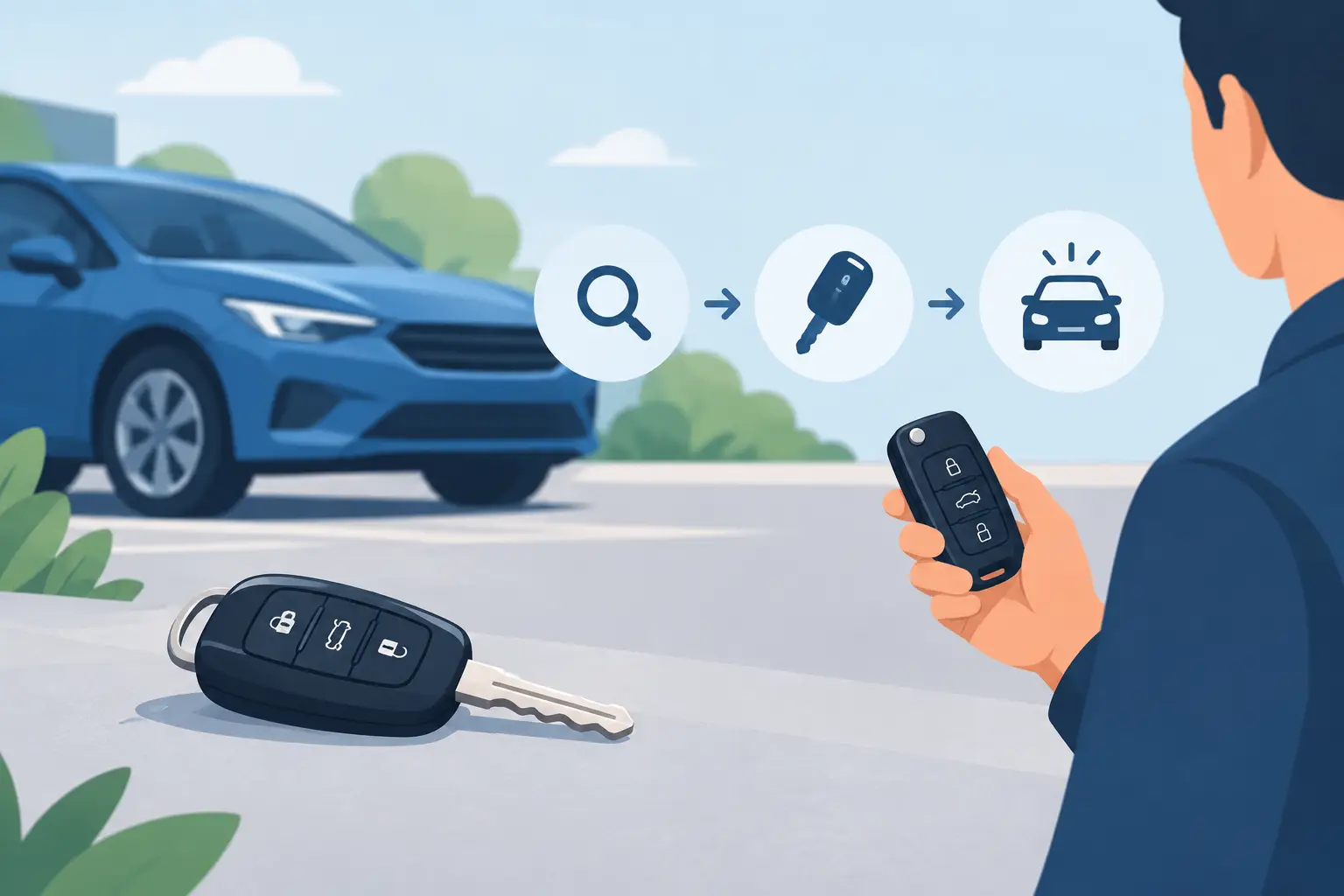
You leave a Raleigh restaurant, reach into your pocket or bag, and find nothing. The car is locked, your spare key is at home, and you still need to get to work, pick up a child, or simply get safely home. This lost car key replacement example shows what typically happens next and why the right solution depends on your vehicle, key type, and location.
A missing car key is stressful, but it does not always mean a tow to the dealership or days without your vehicle. A qualified mobile automotive locksmith can often come to your location, gain entry without damaging the vehicle, cut a new key, and program it when programming is required.
A Realistic Lost Car Key Replacement Example
Consider a driver in Cary with a 2018 Honda Accord. She has finished shopping and realizes her only smart key fob is gone. The car is locked in a parking lot, and the key cannot be found after checking the store and retracing her steps.
Her vehicle uses a proximity fob with a hidden emergency key blade and a transponder system. A basic metal copy will not start the car. The replacement must be cut to match the vehicle’s locks and programmed so the car recognizes it.
When a mobile locksmith arrives, the technician first confirms that she owns or is authorized to use the vehicle. This usually means reviewing a photo ID, registration, insurance card, or other proof of ownership. That step protects the vehicle owner and prevents unauthorized key creation.
Next, the technician identifies the vehicle’s key system and obtains the information needed to produce the correct key. Depending on the make, model, and year, this may involve decoding a door lock, using the vehicle identification number, or accessing programming equipment designed for that vehicle.
The locksmith cuts the emergency blade, programs a compatible smart fob, and tests every function. A proper test includes locking and unlocking the doors, starting the engine, checking remote functions, and confirming that the key works consistently. If the original fob is truly lost rather than temporarily misplaced, the technician may also be able to erase it from the vehicle’s memory. That reduces the chance that someone who finds the old fob can later use it to start the car.
For this driver, the result is a working replacement key at the parking lot. There is no need to force a door, break a window, or leave the car overnight. The exact process changes by vehicle, but the same practical approach applies to many lost-key situations.
What Changes the Replacement Process?
Not every lost car key replacement is equally involved. Older vehicles with a traditional mechanical key are often the most straightforward. If there is no chip or electronic programming, a locksmith may only need to cut a correctly matched key.
A transponder key adds another step. These keys contain a chip that communicates with the vehicle’s immobilizer. The key may turn in the ignition, but the engine will not start until the chip is programmed correctly. Many vehicles made from the late 1990s onward use some form of transponder technology.
Remote-head keys and smart proximity fobs can require more specialized equipment and parts. A push-button-start vehicle, for example, needs a fob that is compatible with its electronic system. Some makes and model years have security procedures that take longer than others. Certain luxury, European, and newer vehicles may have additional restrictions, which can affect availability, service time, and cost.
The condition of the vehicle also matters. If it is in a secure garage, remote area, or location with limited access, the technician may need additional time to reach and service it. A car with a damaged ignition, previously altered key system, or dead battery can require troubleshooting beyond a standard replacement.
What to Have Ready When You Call
Having a few details ready helps a locksmith determine the most efficient solution before arriving. Provide the vehicle’s make, model, year, and location. Let the dispatcher know whether the key is completely lost, locked inside the car, broken, or no longer recognized by the vehicle.
It also helps to say whether the car uses a traditional ignition key, a remote fob, or push-button start. If you have a photo of the old key, a spare key, the key code tag, or the vehicle identification number, mention it. Do not worry if you do not have every detail. A professional technician can identify many key systems on site, but accurate information can prevent delays.
Be prepared to show proof of ownership when service begins. This is not an inconvenience. It is a necessary security measure, particularly when a new key can provide access to and operation of a vehicle.
Can a Locksmith Replace a Key Without the Original?
Yes, in many cases. A missing original key does not prevent replacement. Automotive locksmiths use vehicle-specific methods to create a working key from the vehicle itself or from authorized key information.
The difference is that a replacement made without an original can take more work than duplicating a key you still have. With a working spare, the technician can often copy and program it quickly. Without one, the locksmith may need to determine the key cuts, obtain the correct blank or fob, and complete vehicle programming from the beginning.
That is why making a spare after a successful replacement is usually the more affordable decision. Replacing one working key with a backup is generally easier than responding to a complete all-keys-lost situation in a parking lot at night.
Cost Factors to Expect
There is no honest single price for every lost vehicle key. The cost depends on the key type, vehicle make and year, programming requirements, replacement fob availability, and the circumstances of the service call. Emergency or after-hours service can also affect the total.
A standard metal key is usually less costly than a chip key, remote-head key, or proximity fob. Smart keys can cost more because the fob itself contains electronics and must be programmed to the vehicle. If the original lost key needs to be removed from the vehicle’s memory, that may add time as well.
Ask for a clear quote based on your vehicle details before work begins. A reputable locksmith should explain what the estimate includes, such as the service call, key or fob, cutting, programming, and testing. If the vehicle presents an unexpected issue, the technician should discuss it with you before moving forward.
Avoid These Common Mistakes
When a key disappears, people often make the situation worse by trying to solve it quickly with the wrong method. Forcing a lock, using improvised tools, or prying open a door can damage weather stripping, locking mechanisms, window frames, and electronics. The repair bill can exceed the cost of professional entry.
Buying the cheapest fob online can also create problems. A fob may look identical but use the wrong frequency, chip, or internal board. Some used fobs cannot be reused on certain vehicles, while others require special preparation before programming. A locksmith can tell you whether a replacement part is appropriate before time and money are spent on an unusable key.
It is also wise to act as though a truly lost key could end up in someone else’s hands. If the key was lost near your home, workplace, or a location where your car was clearly identifiable, ask whether the old key can be deleted from the vehicle system. Physical key access and electronic authorization are separate concerns, and both deserve attention.
When Emergency Mobile Service Makes Sense
Mobile locksmith service is especially useful when the car is stranded where it cannot stay safely, such as a shopping center, workplace, roadside location, or apartment complex. It also makes sense when you have no spare, need the vehicle promptly, or cannot arrange a tow.
Advance Locksmith Inc provides 24-hour mobile locksmith assistance for drivers in Raleigh and surrounding communities. A trained technician can assess the vehicle on site and explain the practical replacement options based on the key system involved.
If your key is missing right now, stay with the vehicle when it is safe to do so, keep your identification and ownership documents accessible, and avoid leaving the car unsecured. The fastest path back on the road is usually a verified replacement made and tested where your vehicle is parked.