

How to Secure Patio Doors From Break-Ins

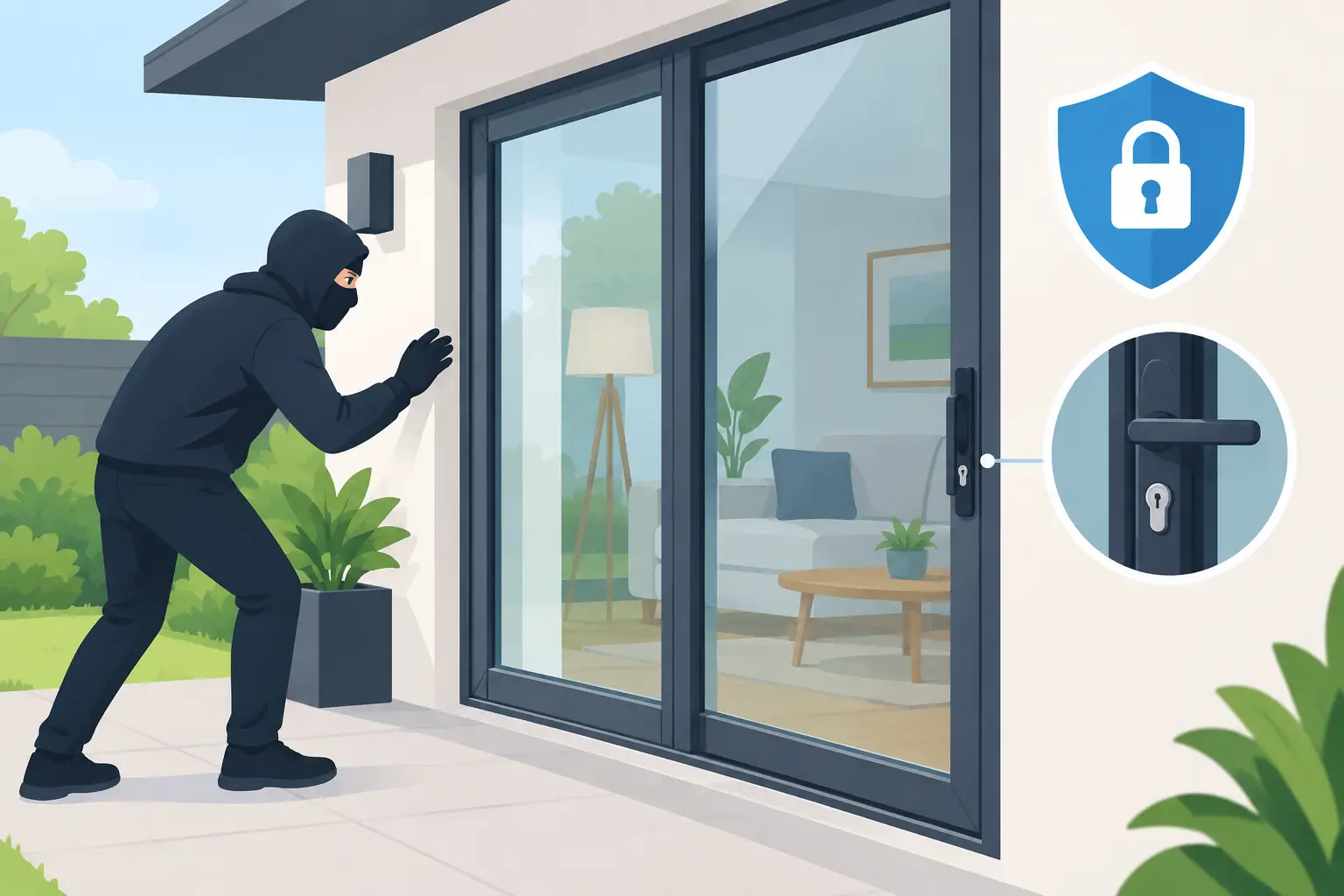
A patio door should bring light into your home, not create an easy access point for an intruder. Learning how to secure patio doors means looking beyond the small factory latch that came with the door. A few targeted upgrades can make a sliding or French patio door far harder to force, lift, pry, or break.
For Raleigh-area homeowners, security should also account for everyday use. Your patio door needs to stay convenient for family members, pets, and outdoor living while giving you confidence when you are asleep, at work, or away for the weekend.
Start With the Lock You Already Have
Many older sliding glass doors rely on a simple latch that hooks into the frame. It may keep the door closed in normal use, but it is not always designed to resist pressure from the outside. If the door moves, rattles, or can be forced out of alignment when locked, the locking hardware needs attention.
First, inspect the latch, strike plate, and frame. Dirt in the track, worn rollers, or a sagging door can prevent the lock from fully engaging. Clean the bottom track and make sure the panel slides smoothly before deciding the lock has failed. A lock cannot protect the door properly if the door is sitting too low or too far out of position.
If the existing latch is weak, damaged, or outdated, consider an auxiliary patio door lock. Options include keyed locks, foot bolts, and surface-mounted locks that add a second point of resistance. A keyed lock can offer stronger access control, but it also requires thoughtful key management. Keep emergency exit needs in mind, especially if the patio door is a regular escape route from a bedroom or living area.
How to Secure Patio Doors Against Forced Entry
A strong patio door setup uses layers. The primary lock secures the door in its closed position, while physical barriers limit movement if someone tries to pry or slide it open.
Add a Security Bar or Track Blocker
A properly fitted security bar is one of the simplest and most effective additions for a sliding patio door. It sits in the interior track or braces between the moving panel and the frame, preventing the door from opening even if the latch is defeated.
A metal bar is generally more durable than a lightweight plastic device. Some homeowners use a cut-to-size wood dowel, which can work as a temporary or budget-friendly solution when it fits snugly. The trade-off is that wood can split, warp, or be removed more easily than a purpose-built bar. If you use one, inspect it periodically and replace it if it shows cracks or looseness.
For doors used as an emergency exit, choose a bar that can be removed quickly from inside. Everyone in the household should know how it works. Security should never trap people inside during a fire or other emergency.
Prevent the Door From Being Lifted Out
Some sliding doors can be lifted upward and removed from their tracks when the latch is unlocked or weak. Anti-lift devices help stop this by limiting upward movement of the sliding panel.
This may involve properly installed screws in the upper track, anti-lift blocks, or hardware designed specifically for your door model. Placement matters. A screw that is too long can interfere with the door, while one placed incorrectly may damage the frame without improving security. If you are unsure whether your door is vulnerable to lifting, a professional locksmith or door technician can inspect the fit and recommend the right hardware.
Reinforce the Strike Area and Frame
The lock is only as reliable as the material holding it. On hinged French doors, this is especially important. The lock bolt needs to enter a solid strike plate attached to a sturdy frame, ideally with long screws that reach the structural framing behind the trim.
A flimsy strike plate secured by short screws can pull away under force. Reinforced strike plates and longer fasteners can significantly improve resistance, but installation depends on the door material, frame condition, and lock type. Avoid guessing with oversized screws or drilling into glass-adjacent areas. The goal is a secure installation that does not affect door operation or weather sealing.
Protect the Glass Without Creating False Confidence
The large glass panel is often what makes a patio door appealing, and it deserves its own security plan. Standard glass can break under force, but breaking glass does not always mean an intruder can immediately enter. The key question is whether someone can reach the lock or create an opening large enough to pass through.
Security film can help hold broken glass together, slowing entry and making the process noisier and more difficult. It is useful as one layer of protection, particularly on doors that are partly hidden from the street or neighbors. However, security film does not turn ordinary glass into an impenetrable barrier. Its effectiveness depends on film quality, installation, and whether it is properly anchored to the frame.
If you are replacing the door, laminated or impact-resistant glass may be worth considering. It is a larger investment, but it can provide better forced-entry resistance and may also reduce outside noise. For many homes, upgrading the lock, track security, lighting, and alarm coverage first delivers a more practical return.
Use Lighting, Alarms, and Visibility to Your Advantage
Physical locks matter most at the door, but a well-lit and visible patio area gives an intruder fewer opportunities to work unnoticed. Trim overgrown shrubs near the door, especially plants that block views from windows or neighboring homes. A privacy fence may be valuable for your outdoor space, but dense landscaping around the door can create concealment.
Motion-activated exterior lighting is a sensible addition. Position lights so they illuminate the patio door and nearby approach paths without shining directly into bedrooms or creating glare for neighbors. Replace burned-out bulbs promptly and test motion sensors occasionally.
Door and glass-break sensors can add another layer of warning. A contact sensor alerts you when the door opens, while a glass-break sensor may detect the sound pattern of breaking glass. These devices are most useful when they are part of a monitored system or when they trigger a loud local alarm. A visible security system sign alone is not a substitute for working hardware.
Cameras can also be helpful, but they should support, not replace, physical security. Video may identify what happened after an incident. A reinforced lock and properly blocked track are what make entry more difficult in the first place.
Do Not Overlook Everyday Patio Door Habits
The best upgrade will not help if the door is regularly left unlocked. Make locking the patio door part of the same routine as locking the front door at night and before leaving home. Check that the sliding panel is fully closed before engaging the lock. A latch that catches only partially may look locked while leaving the door vulnerable.
Avoid hiding a spare key outside near the patio. Intruders know to look under planters, mats, decorative rocks, and outdoor furniture. If you need to give access to a family member, house sitter, or contractor, a controlled key solution or smart access option is usually safer than a hidden key.
Renters should not assume they have to accept weak hardware. Report loose locks, damaged frames, broken rollers, and poorly aligned doors to the property owner or manager in writing. Before installing a new lock, security bar, or film, review your lease and get approval where required. Many upgrades can be made without permanently altering the door, but safety and property rules still matter.
When a Patio Door Needs Professional Service
Call for professional help when the patio door will not lock, the key turns without securing the door, the frame is cracked, or the door has been damaged during an attempted break-in. These problems are not just inconveniences. They can leave your home exposed until they are repaired.
A licensed locksmith can evaluate whether the problem is the lock itself, the strike, the alignment, or the door hardware. For homeowners who want a more complete upgrade, Advance Locksmith Inc can help assess practical lock and security options for patio doors in Raleigh and surrounding communities. The right recommendation should fit your door style, daily access needs, and budget rather than pushing a one-size-fits-all product.
If you have just moved into a home, consider rekeying any keyed patio door locks along with your exterior doors. You cannot know how many previous keys may still be in circulation, and rekeying is often a straightforward way to regain control of access.
A secure patio door is built from small decisions that work together: a lock that engages correctly, a track that cannot slide, glass that is harder to defeat, and habits that keep the door protected every day. Start with the weakness you can see now, then make the next improvement before it becomes an emergency.