

Commercial Master Key System Guide for Businesses

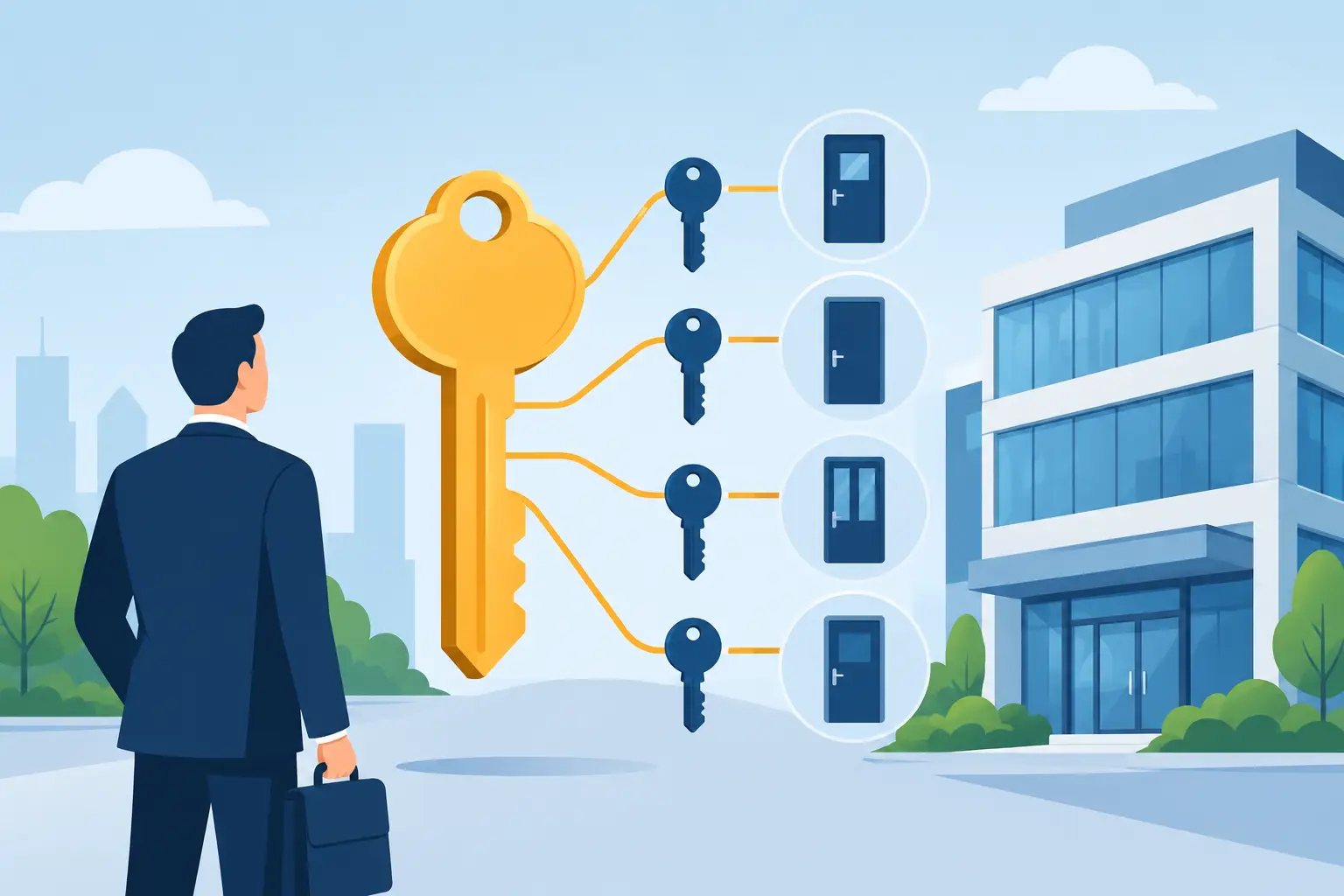
A lost employee key should not force a Raleigh business owner to replace every lock in the building. With the right plan, a commercial master key system guide can help you control who enters which areas, reduce the number of keys on a ring, and respond quickly when staffing or security needs change.
A master key system is not one universal key that opens everything for everyone. It is a planned hierarchy of locks and keys. Each employee can carry a key for the doors they need, while managers, maintenance staff, or owners have higher-level keys for broader access. The goal is simple: give people enough access to do their jobs without giving every keyholder access to your entire property.
What a Commercial Master Key System Does
In a standard keyed setup, each door may have its own unrelated key. That can leave a manager carrying a bulky ring, create confusion during emergencies, and make it difficult to know who has access where. A commercial master key system organizes those locks into a controlled structure.
For example, a retail store may give sales associates access to the front entrance and break room, while the store manager can also enter the office, stockroom, and cash-handling area. In a medical office, a front-desk key may work at the main entrance and supply closet, while a practice owner holds a key that also opens private records storage.
The exact layout depends on your building, operations, and risk level. The system should support your workday, not create extra barriers for trusted staff.
Start With Doors, Roles, and Risk
The best system is designed before new cylinders or keys are cut. Start by walking the property and identifying every opening that needs controlled access. Include exterior doors, offices, storage rooms, equipment areas, file rooms, gates, and interior spaces where sensitive materials are kept.
Then consider the role attached to each door. Ask who truly needs access, when they need it, and whether access should be available without supervision. A cleaning crew may need after-hours entry to common areas but not the owner’s office. A maintenance vendor may need mechanical-room access but not access to customer records or inventory.
Pay close attention to higher-risk areas, including:
- Cash offices, safes, and point-of-sale storage
- Server rooms, electrical rooms, and mechanical spaces
- Medication, tools, controlled products, and high-value inventory
- Personnel files, records rooms, and private offices
This review often reveals access problems that have grown over time. Former employees may still have keys. One office may have a lock that was never included in the original key plan. A back door may use a different brand or keyway than the rest of the building. Finding those issues early prevents expensive surprises later.
Build Access From the Bottom Up
Most small and mid-sized businesses do not need a complicated, multi-tier system. A simple arrangement is often safer because it is easier to manage. Individual change keys work one lock or a small group of related locks. A manager key can operate several of those locks. A grand master key, when appropriate, can operate multiple departments or suites.
More levels are not automatically better. Every additional level creates more keys that must be tracked and more opportunities for an access mistake. For a single office, restaurant, shop, or warehouse, individual keys plus one manager-level master may be all that is necessary.
Larger facilities, multi-tenant properties, and organizations with separate departments may need more structure. In those cases, a locksmith can create a key schedule that clearly shows which key works at each door while protecting the technical details that should not be widely shared.
Choose Hardware That Matches the Building
A master key plan can only work well if the door hardware is in good condition. Worn locks, loose door closers, misaligned frames, and damaged latches cause daily frustration and can weaken security. Before setting up a new system, inspect the condition of each door and lock.
Commercial-grade cylinders are typically a better fit than basic residential hardware for businesses with frequent traffic. The right choice depends on the door type, whether it is interior or exterior, fire code requirements, and the amount of use it receives. A busy rear entrance may need more durable hardware than a lightly used supply closet.
Key control should also influence the hardware decision. Restricted or patented keyways can make unauthorized duplication more difficult because keys are not readily copied at every retail key machine. They do not replace good key policies, but they add a useful layer of control for businesses concerned about former employees or unapproved copies.
High-security cylinders may be worth considering for exterior doors, offices with sensitive information, or locations that have experienced break-in attempts. They can offer stronger resistance to picking, drilling, and unauthorized duplication, depending on the product selected. The trade-off is a higher upfront cost and the need to obtain replacement keys through an authorized process.
Keep Key Control Practical
A master key system is only as secure as the way keys are handled after installation. Businesses often focus on the locks and overlook the process. A simple written policy can prevent many common problems.
Assign each key a number rather than labeling it with a door name or company address. Keep a record of who receives each key, the date it was issued, and the date it was returned. Limit top-level master keys to a small number of trusted people. Store spare masters in a secured location, not in an unlocked desk drawer or a vehicle glove box.
When an employee leaves, collect the key during the exit process. If a key cannot be recovered, do not assume it was lost harmlessly. Depending on the access level, rekeying affected cylinders may be the responsible choice. Rekeying changes the lock’s internal configuration so old keys no longer operate it, often without replacing the full lock hardware.
Businesses should also avoid passing a master key from person to person without documentation. A key that belongs to “the shift manager” can quickly become a key that nobody is accountable for. Assign access to a person, even when job responsibilities change frequently.
Know When Keys Are Not Enough
Mechanical keys remain reliable, affordable, and familiar. They work during power outages and do not require employees to carry phones, manage passwords, or learn an app. For many Raleigh businesses, a well-designed master key system is the most practical foundation for daily access.
However, some situations call for electronic access control. Businesses with frequent turnover, multiple shifts, detailed audit needs, or changing access schedules may benefit from keypads, cards, fobs, or mobile credentials. Electronic systems can remove access without collecting a physical key and can provide records of door activity.
The strongest approach is sometimes a combination. Use commercial master-keyed locks where simplicity and emergency reliability matter, then use electronic access for offices, server rooms, or other sensitive spaces. The right balance depends on your budget, staffing pattern, and the consequences of unauthorized entry.
Plan for Changes Before They Happen
A system that fits your business this year should leave room for growth. If you expect to add offices, take over another suite, or expand storage space, tell your locksmith before the key system is finalized. Proper planning can reserve capacity for future doors and avoid rebuilding the entire hierarchy later.
It is also wise to review access after management changes, a theft incident, a break-in, or a major staff departure. These moments are a good reason to confirm that keys, locks, and access records still match the people responsible for the building.
Advance Locksmith Inc can evaluate commercial doors, rekey existing locks, replace worn hardware, and help businesses in Raleigh and nearby communities create access plans that are clear and manageable. A professional assessment can also identify doors that should be upgraded for better security or code compliance.
Your keys should support the way your business operates, not become another daily concern. A thoughtful access plan gives your team the convenience they need while keeping control where it belongs: with the people responsible for protecting the property.