
How to Choose Door Locks for Better Security

A front door that sticks, a key that turns loosely, or a lock shared with a former tenant can create a real security concern. The right door locks do more than keep a door closed. They help protect your family, belongings, employees, customers, and peace of mind. For Raleigh-area homes and businesses, choosing the right lock starts with understanding what your property needs now and what may need to change later.
A basic lock may be enough for a low-risk interior door, while a busy storefront, rental property, or home with multiple entry points may need stronger hardware and better key control. The goal is not to buy the most expensive lock available. It is to install dependable hardware that fits the door, the location, and the people who use it every day.
Start With the Door, Not Just the Lock
Before selecting a lock, look at the door and frame. Even a high-quality deadbolt cannot perform as intended if it is installed on a weak door frame, a damaged jamb, or a loose strike plate. The lock, door, hinges, frame, and screws all work together.
For exterior residential doors, a solid-core wood, fiberglass, or steel door is generally a better foundation than a hollow-core door. The strike plate should be secured with long screws that reach into the wall framing, not just the trim. This small installation detail can make a meaningful difference when force is applied to the door.
Commercial doors deserve the same attention. A rear service entrance, employee door, or suite entry may need a commercial-grade lever, reinforced strike, door closer, or panic hardware depending on how the space is used. Businesses should also consider how frequently the door opens and whether staff need access at different times.
Common Types of Door Locks
Most properties use more than one type of lock. Knowing the purpose of each option helps you avoid paying for features that do not solve your actual security problem.
Deadbolts for Exterior Doors
A single-cylinder deadbolt uses a key outside and a thumb turn inside. It is a common choice for homes because it is simple to use and provides a separate layer of security beyond a standard knob or lever latch.
A double-cylinder deadbolt requires a key on both sides. It can be considered when glass is close enough to the lock that someone could break the glass and reach the thumb turn. However, it also creates an emergency exit concern because occupants need a key to leave. Local code requirements and fire safety should always guide this choice.
For most residential exterior doors, a properly installed Grade 1 or Grade 2 deadbolt is a practical upgrade. Grade 1 is built for heavier use and greater resistance to forced entry, while Grade 2 is often suitable for many homes. A professional locksmith can help match the lock grade to the door and the risk level.
Knob and Lever Locks
Knobs and levers are convenient for everyday entry, but the lock built into a knob or lever should not be the only protection on an exterior door. Their latch mechanisms are generally less resistant to force than a deadbolt.
Levers are especially useful for businesses, older adults, and anyone who needs easier one-handed operation. For commercial locations, a heavy-duty lever with the correct keyway and hardware can provide reliable daily access while supporting better control over who has keys.
Smart Locks and Keypad Locks
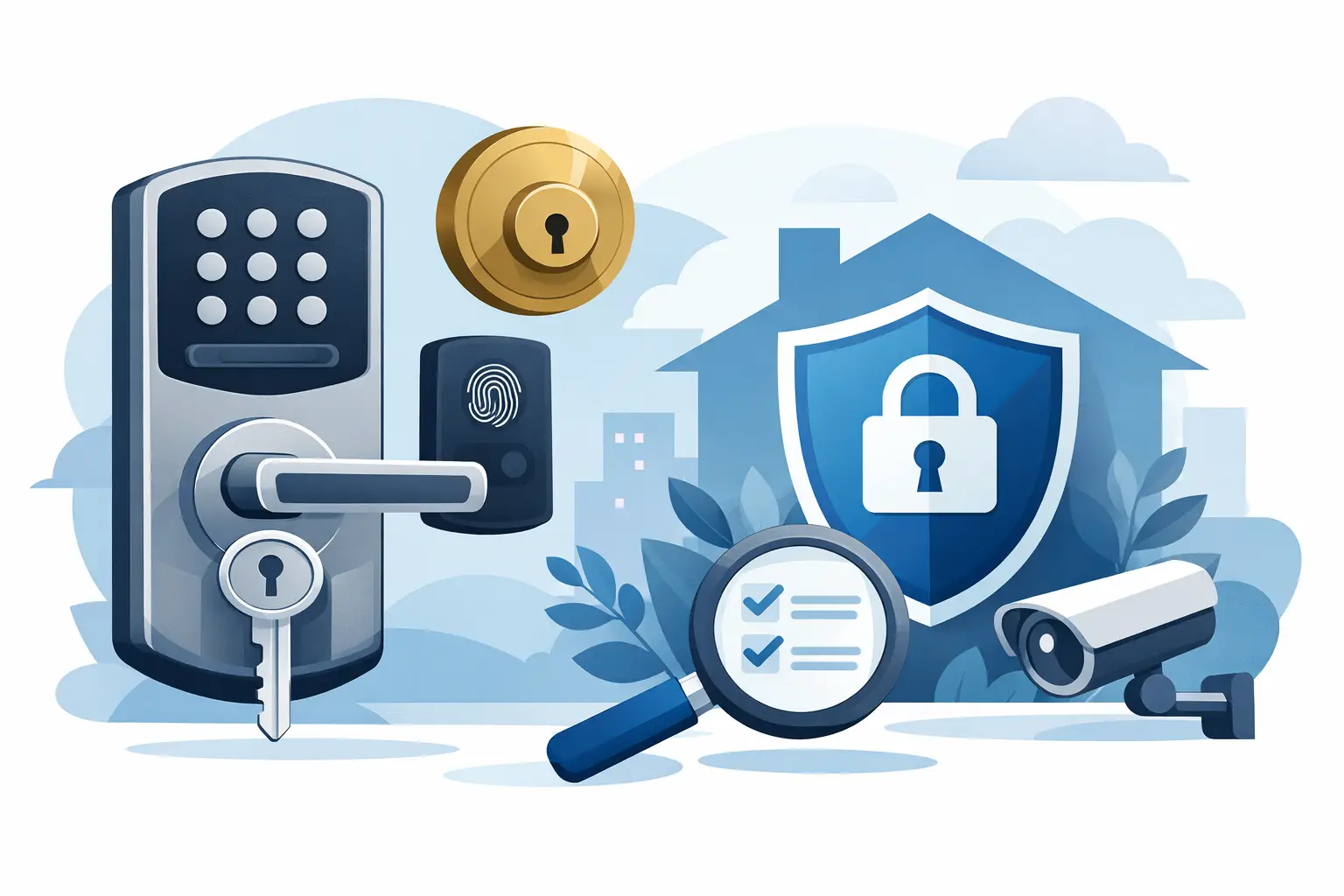
Keyless door locks allow access through a keypad code, mobile app, fob, or other electronic credential. They can be a strong fit for busy households, rental properties, offices, and businesses that need to change access without collecting physical keys.
The trade-off is that electronic locks need proper installation, battery checks, and a plan for backup entry. A keypad is convenient when a child comes home from school or a service professional needs scheduled access. It is less helpful if no one knows how to manage codes, replace batteries, or respond when the lock signals a problem.
For a small business, an access control system can provide more oversight than standard keys. Owners can assign individual credentials, remove access when an employee leaves, and reduce the risk that unreturned keys remain in circulation.
High-Security Locks
High-security locks are designed to offer stronger resistance to picking, drilling, bumping, and unauthorized key duplication. They are often a smart investment for homeowners with valuable equipment, landlords managing multiple units, and businesses with inventory, sensitive documents, or restricted areas.
These systems are not necessary for every door. A bathroom door or low-risk interior closet rarely needs the same protection as a front entry, office suite, pharmacy cabinet, or equipment room. The best approach is to prioritize the doors that create the greatest exposure if they are compromised.
When Rekeying Makes More Sense Than Replacing Door Locks
Replacing a lock is not always the answer. If the lock is in good working condition but you no longer know who has keys, rekeying is often the faster and more affordable option. Rekeying changes the internal pin configuration so old keys no longer work, while allowing the existing hardware to remain in place.
Rekeying is a practical choice after moving into a home, buying a commercial property, changing tenants, losing a key, or ending a relationship with someone who had access. It is also useful when employees leave and the business cannot account for every key that was issued.
Replacement is usually better when the lock is worn out, damaged, outdated, difficult to operate, or not providing the level of protection you need. If a key sticks, the cylinder turns without opening the door, the latch does not align, or the deadbolt cannot extend fully, do not wait for a lockout to deal with it. A small issue can become a late-night emergency at the worst possible time.
Key Control Matters as Much as Lock Strength
Many security problems are not caused by a broken lock. They happen because too many people have keys. A family may have handed out spare keys over the years. A business may have former employees, vendors, or contractors who still have access. A rental property may have keys from prior occupants that were never recovered.
Start by identifying who truly needs access. Then choose a system that makes that access easier to manage. For some households, this means rekeying exterior locks so one key works for all doors. For a business, it may mean using restricted keys, a master key system, or electronic credentials that can be removed promptly.
Do not hide a spare key in a predictable location such as under a mat, planter, or fake rock. If you need an emergency backup, consider leaving it with a trusted neighbor or using a secure, properly installed key storage option suited to the situation.
Maintenance Helps Door Locks Last Longer
Door locks are mechanical devices, and they benefit from basic care. Check that screws are tight, the strike plate is secure, and the deadbolt moves smoothly when the door is closed. If the bolt only works when you pull or push on the door, the issue may be alignment rather than the lock itself.
Avoid forcing a key that does not turn. Forcing it can break the key inside the cylinder or damage internal parts. Use a locksmith-approved dry lubricant when needed rather than heavy oil, which can collect dust and create more trouble over time.
For keypad and smart locks, replace batteries before they fail completely and keep the backup key or emergency power instructions somewhere accessible. Test entry codes after changing them, and remove old codes as soon as they are no longer needed.
When to Call a Professional Locksmith
Some lock issues are simple, but exterior security is not the place for guesswork. Professional help is especially useful when a door has been forced, a key broke in the lock, a deadbolt no longer lines up, you need locks rekeyed quickly, or you want to upgrade several doors to a single key system.
A licensed locksmith can assess the entire opening, not just the cylinder. That includes the door frame, hinges, latch alignment, strike plate, hardware grade, key control, and the suitability of electronic access options. This prevents the common mistake of replacing a lock while leaving the actual weak point untouched.
For Raleigh homeowners and businesses facing an urgent lockout, damaged lock, or lost key, Advance Locksmith Inc provides 24-hour mobile service and practical security solutions. Fast assistance matters, but so does making sure the repair or replacement supports your long-term protection.
Your doors should close securely, operate without a struggle, and give the right people access without leaving your property exposed. If something about a lock feels unreliable, trust that concern and address it before it becomes an emergency.