
What to Do During a House Lockout

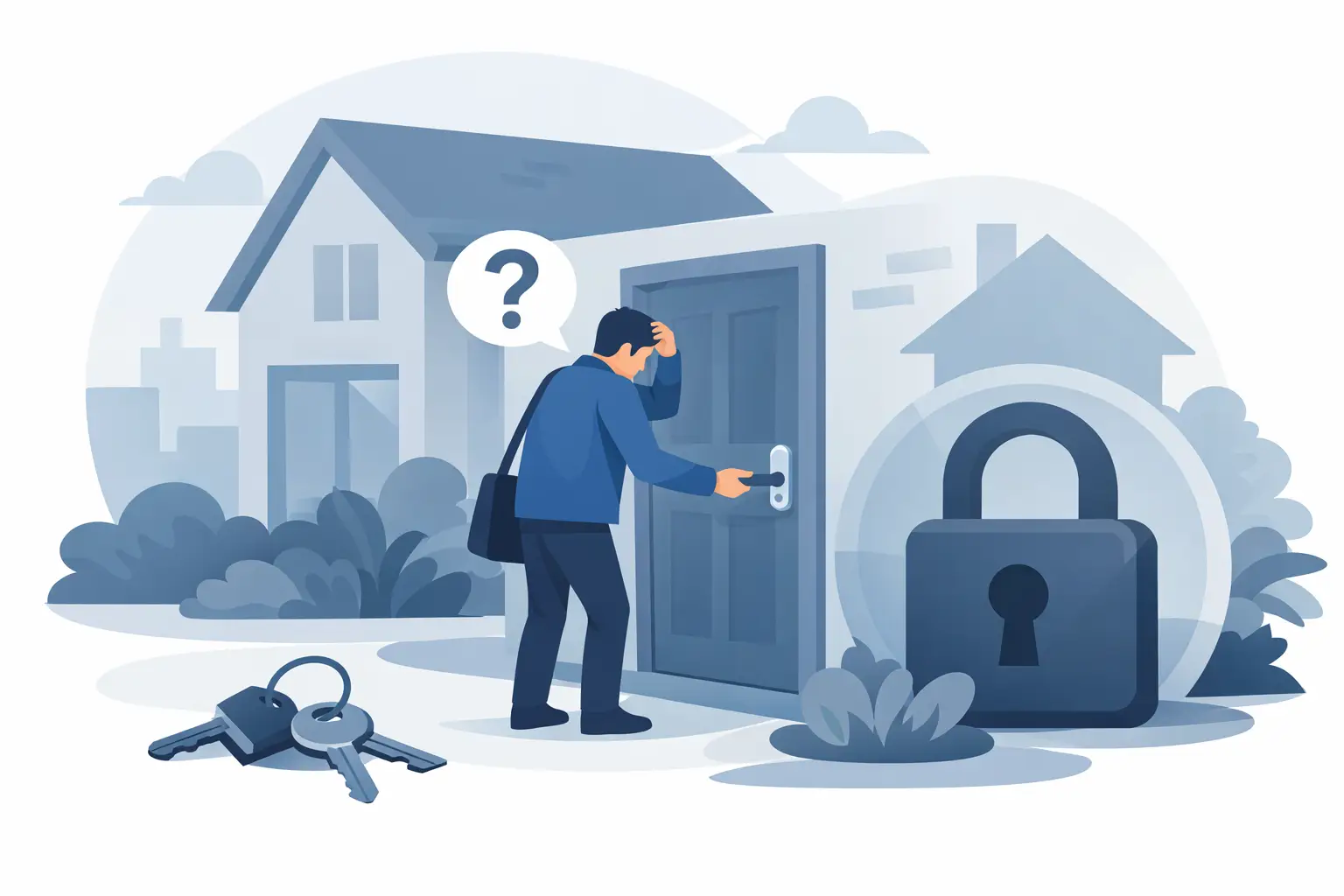
You reach for your keys, pat every pocket twice, and realize the front door is locked behind you. That moment is frustrating enough in the middle of the day. At night, in bad weather, or with kids waiting nearby, figuring out what to do during a house lockout becomes a lot more urgent.
The first priority is not the lock. It is your safety. If you are locked out in an unsafe area, if a child is inside alone, if a stove is on, or if a pet is trapped in dangerous heat or cold, treat the situation as an emergency. Move to a safe spot, call for help, and act based on the risk level instead of trying random ways to force your way in.
What to do during a house lockout first
Start by slowing down for one minute. A rushed response often turns a simple lockout into a broken lock, damaged door frame, or expensive repair. Check whether another entry point is actually available. Walk the perimeter carefully and look for a back door, side door, garage entry, or first-floor window that is already unlocked and can be used safely.
This only makes sense if you can enter without causing damage or putting yourself at risk. Climbing to a second-story window, forcing a stuck window, or trying to squeeze through a small opening is not worth an injury. If you rent, using an alternate unlocked door is one thing. Damaging a window or frame can create a separate problem with your landlord later.
If someone else in your household has a key, call them right away. It sounds obvious, but during a stressful moment people often jump straight to worst-case thinking. A roommate, spouse, family member, or trusted neighbor may be able to get you back inside faster than any other option.
If you live in an apartment or managed community, contact the property office or emergency maintenance line. Some buildings have lockout procedures, and some do not. The trade-off is time and cost. Management may be cheaper than after-hours service, but it can also take longer, especially late at night or on weekends.
When a house lockout is more than an inconvenience
Some lockouts need a faster professional response. If you lost your keys somewhere public, if your purse or wallet was stolen, or if you think someone may now have access to your home, this is no longer just about getting back inside. It is also a security issue.
In that case, getting the door opened is only step one. You should also think about rekeying the locks or replacing them, especially if your identification was with the missing keys. That matters because whoever finds those keys may also have your address.
A lockout can also point to a hardware problem. Maybe the key broke in the lock. Maybe the deadbolt is misaligned. Maybe the latch retracts poorly and the door only shut because it slammed. When that happens, simply regaining entry does not solve the whole issue. The lock should be inspected so you do not end up locked out again next week.
What not to do during a house lockout
Most online lockout hacks create bigger problems than they solve. Credit cards do not work on many residential doors, especially if you have a deadbolt engaged. Bobby pins and improvised tools rarely help people without training, and they can damage the keyway quickly.
Trying to kick in a door is even worse. You may crack the frame, split the jamb, damage the lock, and make the home less secure even after you get in. Replacing a lock is usually manageable. Replacing structural door parts is more expensive and more disruptive.
You should also be careful with windows. Breaking glass may seem like the fastest option, but it adds immediate safety hazards and often costs far more than professional lockout service. If children or pets are in danger, emergency responders may be the right call. If not, breaking a window is usually the wrong move.
When to call a locksmith during a house lockout
If there is no safe alternate entry, no spare key available, and no building manager who can assist quickly, it is time to call a licensed locksmith. This is usually the fastest way to regain access without damaging the lock or door.
A professional locksmith can handle common residential lockouts involving knob locks, deadbolts, smart lock issues, jammed cylinders, and broken keys. In many cases, the door can be opened with little to no damage. That matters because a non-destructive entry protects both your property and your security.
If you are in Raleigh or nearby communities and need immediate help, a local mobile company like Advance Locksmith Inc can also assess whether the lock should be rekeyed, repaired, or upgraded once you are back inside. That is especially useful if the lockout happened because of worn hardware or lost keys rather than a simple mistake.
How to choose the right locksmith under pressure
A lockout puts people in a hurry, and that is when bad service choices happen. Look for a locksmith that is licensed, local, and available for genuine emergency response. Ask for an estimated arrival time and a clear idea of pricing before work begins.
It also helps to ask what kind of entry method they expect to use. A reputable locksmith will usually explain whether the goal is non-destructive entry and whether there are cases where drilling or replacement might be necessary. There is always some variation depending on the lock type and condition, but you should not feel pressured or kept in the dark.
If a company is vague about pricing, refuses to identify itself clearly, or pushes immediate replacement before even inspecting the lock, that is a warning sign. During a stressful situation, straight answers matter.
After you get back inside
Once the immediate problem is over, take a few minutes to figure out why the lockout happened. If you simply forgot your keys, the fix may be as simple as creating a better routine. If the lock stuck, the key bent, or the smart lock battery failed, you may need a more permanent solution.
For many homeowners and renters, a spare key stored with a trusted nearby person is the easiest prevention step. Others prefer a lockbox in a secure location. If multiple people need access, rekeying locks so old missing keys no longer work can add peace of mind without requiring full hardware replacement.
This is also a good time to think about convenience and security together. Keyless entry can reduce the odds of another lockout, but it is not perfect for every household. Some people like the simplicity of a keypad. Others prefer the reliability of a traditional deadbolt with fresh copies of keys stored responsibly. The best option depends on your property, your budget, and how often lockouts happen in the first place.
Preventing the next house lockout
The best lockout plan is the one you set up before you need it. Put your keys in the same place every time you come home. Replace worn or cracked keys before they snap. Test doors that tend to stick instead of ignoring them. If your locks are old or unreliable, have them serviced before they fail at the worst possible moment.
Households with kids, elderly family members, or frequent visitors may want a more dependable access plan. That could mean duplicate keys, a keypad lock, or rekeying after a move so you know exactly who has access. Renters should also understand their lease rules around lock changes and emergency entry, since those policies can affect what you do in a lockout.
A house lockout feels personal because it happens at your own front door, but the right response is usually simple. Stay calm, avoid damage, check for safe entry options, and call a trusted locksmith when the situation calls for professional help. A locked door is stressful, but it does not have to turn into a bigger problem if you handle it with a clear head.