
When You Need to Replace an Ignition Cylinder

A key that suddenly will not turn can leave you stranded in a driveway, parking lot, or outside work. If you need to replace ignition cylinder components, the problem may feel urgent, but the right diagnosis matters. A worn key, a damaged cylinder, an ignition switch issue, or a steering wheel lock can produce similar symptoms. A professional automotive locksmith can identify the cause and help you get back on the road without unnecessary repairs.
What an Ignition Cylinder Does
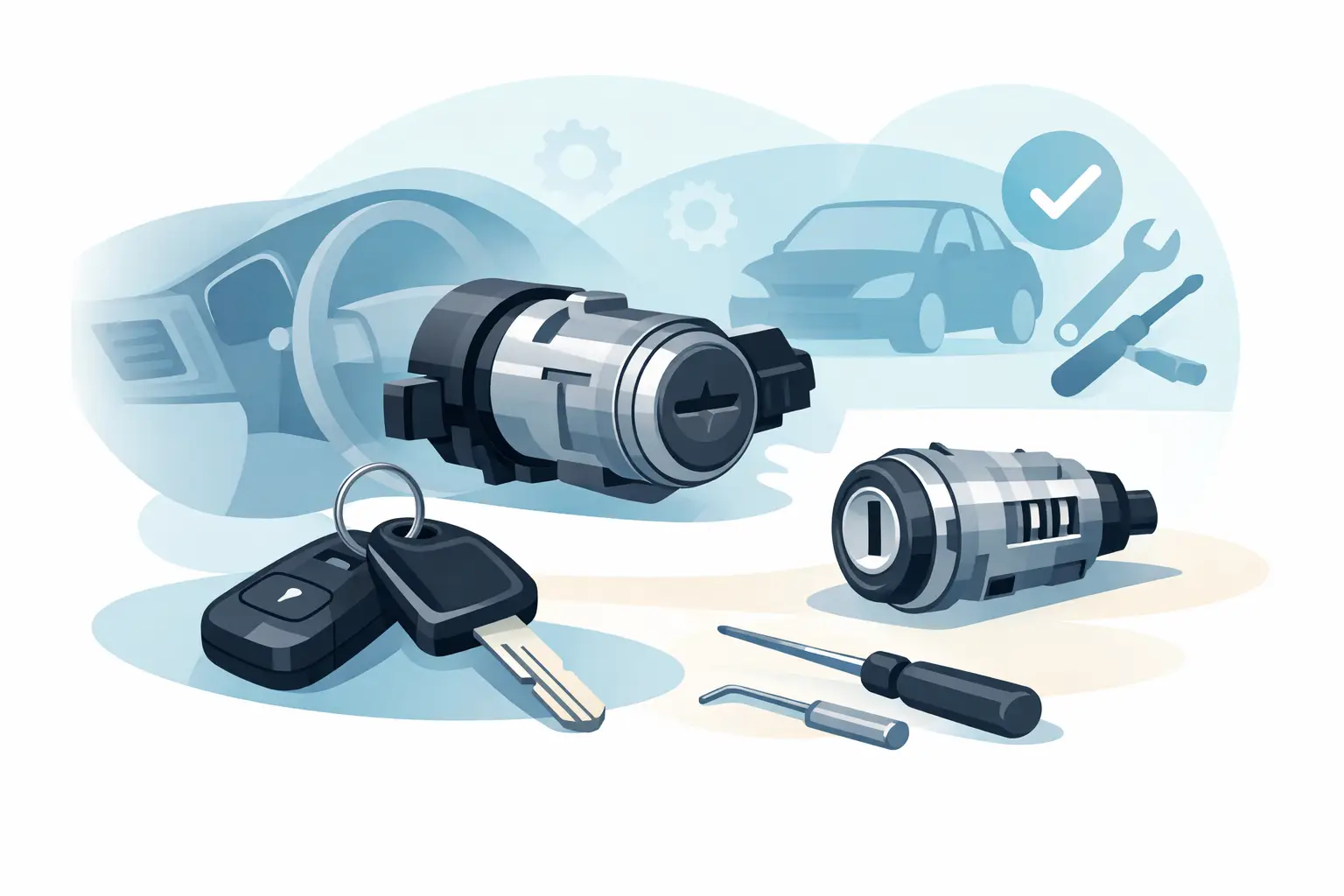
The ignition cylinder is the mechanical part of your vehicle where the key is inserted and turned. When the correct key aligns the internal pins, the cylinder rotates and allows the vehicle’s ignition system to engage. On many vehicles, it also works with anti-theft components that recognize a programmed transponder key.
Because it is used every time you drive, the cylinder is subject to normal wear. Years of turning a heavy key ring, forcing a sticky key, using a worn duplicate, or dealing with a prior attempted theft can damage its internal parts. Eventually, the key may no longer turn smoothly or the cylinder may fail completely.
This is not always a problem that calls for a dealership visit. A qualified mobile locksmith can often inspect the issue at your location, provide the appropriate replacement cylinder, and cut or program keys when the vehicle requires it.
Signs You May Need to Replace an Ignition Cylinder
A cylinder usually gives warning signs before it stops working altogether. The most common sign is a key that becomes difficult to insert, remove, or turn. You may have to jiggle the key to start the vehicle, or the key may catch at certain positions.
Another warning sign is a key that turns but does not reliably start the vehicle. In some cases, the cylinder is worn enough to rotate inconsistently. In others, the mechanical cylinder is working but an electrical ignition switch or anti-theft system is causing the failure. That distinction is why a proper inspection is worth the time.
You should also arrange service promptly if the key can be removed while the engine is running, the cylinder feels loose in the steering column, or the key breaks inside the ignition. These conditions can compromise vehicle security as well as your ability to drive safely.
A few symptoms can look like cylinder failure even when they are not. A locked steering wheel can put pressure on the ignition and prevent the key from turning. Gently turning the steering wheel left and right while applying light pressure to the key may release it. Do not force the key, use pliers, or spray heavy lubricants into the keyway. Those quick fixes can bend the key or create a more expensive repair.
Why Ignition Cylinders Fail
Most failures come down to wear, damage, or key-related problems. Internal wafers and springs wear down over time, especially in older vehicles or vehicles with high mileage. A key that has worn grooves may no longer lift those components to the correct positions.
A bulky key ring can contribute to wear by placing extra weight on the cylinder while the vehicle is in motion. It is a small habit, but removing unnecessary keys and accessories can reduce strain on the ignition area.
Attempted theft is another common cause. A forced screwdriver, broken key, or damaged ignition housing can leave the cylinder unable to accept or turn a key. In that situation, replacement is often the safer option. A locksmith can also assess whether the door locks should be rekeyed or whether new keys are needed to restore full vehicle security.
Modern vehicles add another factor: electronic immobilizers. Even if a newly cut key turns the cylinder, the vehicle may not start unless its transponder chip is properly programmed. The exact process depends on the make, model, and year of the vehicle.
Can a Locksmith Replace an Ignition Cylinder?
Yes. An automotive locksmith can replace many ignition cylinders on-site, including cylinders that are stuck, damaged, or no longer working with the key. The technician removes the failed component, installs a compatible replacement, and verifies that the ignition operates correctly.
The details depend on the vehicle. Some replacement cylinders can be rekeyed so your existing key continues to work for the doors and ignition. Others may require a new key for the ignition, while the original key still operates the doors. When possible, rekeying the replacement cylinder to match the existing key is usually the more convenient result.
For vehicles with chip keys, remote-head keys, push-button start systems, or advanced anti-theft technology, key programming may be part of the job. A professional should confirm what your vehicle needs before work begins. This avoids the frustrating situation where the mechanical repair is complete but the vehicle still will not recognize the key.
At Advance Locksmith Inc, mobile technicians serve Raleigh and surrounding communities with automotive locksmith help when a failed ignition disrupts your day. The goal is a clear diagnosis, practical repair options, and dependable service where your vehicle is located.
What to Expect When You Replace an Ignition Cylinder
A reliable service call starts with verifying vehicle ownership. Have your driver’s license and vehicle registration available if possible. This protects you and helps ensure that ignition and key services are performed only for the authorized owner or driver.
The technician will then inspect the key, cylinder, steering column, and related starting components. If the problem is a worn key, a properly cut replacement may solve it without replacing the cylinder. If the cylinder is damaged or internally worn, the technician can explain the replacement approach and whether rekeying or programming is required.
The replacement itself may involve removing trim around the steering column and carefully accessing the ignition assembly. This work should be done with the correct tools and vehicle-specific knowledge. Modern steering columns can contain sensitive wiring, airbags, and security components. Trying to drill, pry, or force the cylinder yourself can damage parts far beyond the original issue.
Once the work is complete, the technician should test the key in all relevant positions: accessory, ignition, start, and removal. If a programmed key is involved, the vehicle should be tested to confirm it starts and that the security indicator behaves normally.
Repair, Rekey, or Replacement: Which Makes Sense?
The best option depends on the source of the problem. If your key is simply worn, making a new key from the vehicle’s original key code can be less expensive than replacing the ignition. If the cylinder is intact but you are concerned about an old key in someone else’s possession, rekeying may be the right security choice.
Replacement makes more sense when the cylinder is physically damaged, repeatedly sticks, has been forced during an attempted theft, or will no longer turn with a properly cut key. It can also be necessary after a broken key damages the internal components.
Price varies based on the vehicle, cylinder availability, key type, and programming requirements. A basic mechanical ignition is generally more straightforward than a late-model system with transponder programming and integrated electronic security. Ask for an explanation of the work before approving service so you understand whether the quote includes the cylinder, new keys, rekeying, and programming.
Avoid These Mistakes While You Wait for Help
If your ignition starts acting up, avoid forcing the key. Excess pressure can snap the key inside the cylinder, turn a manageable problem into an extraction service, or damage the steering column. Do not use improvised tools to turn the ignition and do not attempt to bypass the system.
If you have a spare key, try it gently. A spare that works smoothly may indicate your everyday key is worn. If neither key works, stop trying repeatedly. Continued attempts can wear the cylinder further or leave you stuck with the key in the accessory position.
For an urgent situation in Raleigh, Cary, Apex, Durham, Garner, Holly Springs, or nearby areas, a mobile locksmith can come to the vehicle rather than requiring a tow for a basic ignition diagnosis. Keep your registration accessible, describe the vehicle’s symptoms clearly, and let a trained technician determine the safest next step.
A smooth-turning ignition is easy to take for granted until it fails. Acting on the early signs can protect your key, your vehicle, and your schedule before a small sticking problem becomes a no-start emergency.