
Storefront Door Lock Repair for Raleigh Businesses

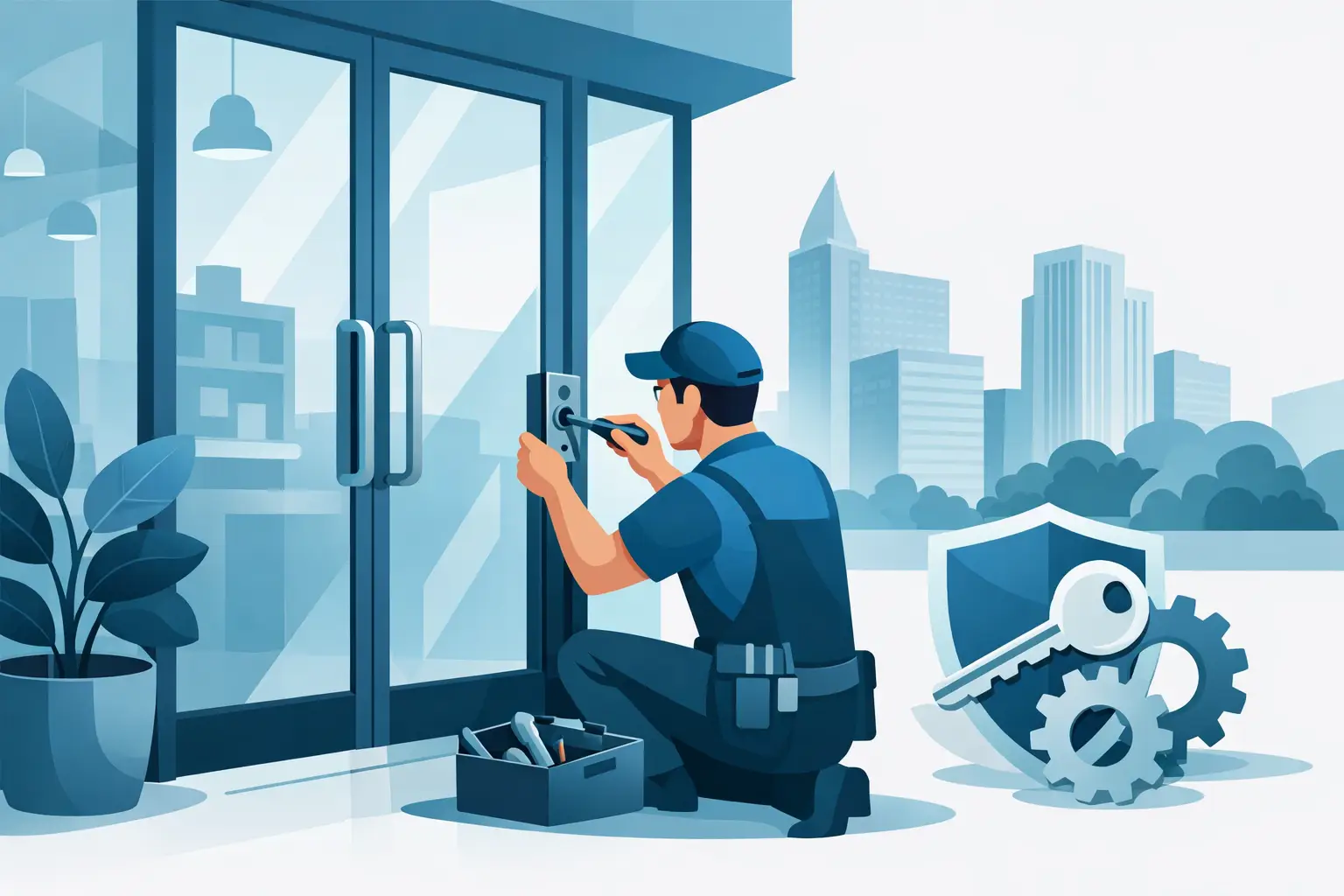
A storefront lock usually fails at the worst possible time – right before opening, during a delivery, or after your last employee leaves for the night. When that lock sticks, spins, jams, or stops latching correctly, it is not just an inconvenience. It can interrupt business, create a safety issue, and leave your property exposed. That is why storefront door lock repair needs to be handled quickly and correctly.
For retail stores, offices, restaurants, and other commercial spaces in Raleigh, a damaged door lock can affect more than access. It can slow down staff, frustrate customers, and raise questions about security. In many cases, the problem starts small. A key gets harder to turn. The cylinder feels loose. The door needs an extra pull to lock. Those warning signs matter because storefront hardware takes daily wear, and small issues often become after-hours emergencies.
When storefront door lock repair is the right fix
Not every lock problem means the whole system needs to be replaced. In many commercial storefronts, repair is the most practical option when the hardware is still structurally sound and the issue is limited to wear, misalignment, or a damaged component. A professional locksmith can often restore function without changing the entire door setup.
This matters because storefront doors are different from standard residential doors. Many use narrow stile aluminum frames, mortise locks, Adams Rite style hardware, panic devices, door closers, and specific cylinders designed for commercial traffic. If the repair is done wrong, the door may still close poorly, lock inconsistently, or wear out faster.
A proper repair starts with identifying the real cause. Sometimes the lock is not the main problem at all. The door may have shifted, the closer may be pulling incorrectly, or the strike may no longer line up with the latch. Replacing parts without fixing alignment can waste time and money.
Common reasons storefront locks fail
Daily use is the biggest factor. A busy front entrance may be opened and closed hundreds of times a day. Over time, internal lock parts wear down, cylinders loosen, and latch mechanisms stop moving smoothly. Dirt, debris, and weather exposure also take a toll, especially on exterior hardware.
Keys can create problems too. A worn key may not engage the pins properly. A duplicated key that was cut poorly can damage the cylinder over time. In some cases, a key breaks off inside the lock, leaving the business unable to secure the door.
There is also the issue of door alignment. If the door drags, sags, or shifts slightly out of place, employees may need to push, pull, or lift the door to lock it. That extra force puts stress on the hardware. What looks like a bad lock may actually be a failing closer, worn hinges, or movement in the frame.
Break-in attempts are another common cause. Even if an intruder does not get inside, the force used against the cylinder, latch, or surrounding hardware can leave the lock unreliable. After any attempted forced entry, the lock should be inspected right away.
Signs your business should not ignore
If the key is hard to turn, the lock feels loose, the latch does not catch cleanly, or the deadbolt only works with pressure on the door, service should not wait. The same applies if employees are using workarounds, such as leaving the door unlocked because it is too difficult to secure. Those short-term habits often lead to bigger security problems.
A storefront lock that works sometimes and fails sometimes is especially risky. Intermittent issues are easy to put off, but they tend to get worse without warning. One day the lock may turn normally. The next day it may freeze in place when you are trying to close the business.
Repair or replacement – what makes sense?
It depends on the age of the hardware, the extent of the damage, and whether the existing lock still fits your security needs. If the lock body, cylinder, and door hardware are in decent condition, repair is often the faster and more affordable route. This is common when the issue involves minor wear, keyway problems, loose trim, or strike alignment.
Replacement may make more sense if the lock has severe internal damage, outdated components, visible vandalism, or repeated repair history. It is also worth considering when you want better key control, stronger resistance to forced entry, or compatibility with master key systems and access control upgrades.
For many business owners, cost matters, but so does downtime. A good locksmith will weigh both. Sometimes repairing the current hardware gets the door secure immediately, while a planned upgrade can be scheduled later. Other times, replacing a failing lock on the spot avoids repeat service calls and disruption.
What a professional storefront door lock repair service should include
A proper commercial lock repair should go beyond getting the key to turn again. The lock needs to operate reliably from both sides, align correctly with the frame, and secure the door without extra force. That means checking the cylinder, latch or bolt movement, strike placement, door closing action, and overall condition of the hardware.
In many storefront systems, the technician may need to service or replace a cylinder, tighten or reset a cam, adjust the mortise lock, correct the strike alignment, or address the door closer if it is contributing to the problem. If the lock has been damaged by wear or attempted entry, the surrounding hardware should be inspected too. A weak point next to the lock can make even a good repair less effective.
For businesses, key control is part of the conversation as well. If a repair follows employee turnover, lost keys, or a security concern, rekeying may be the better move even if the lock itself can be repaired. That keeps the existing hardware while changing which keys work.
Why commercial lock repair is not a DIY job
Storefront locks can look simple from the outside, but the hardware inside the frame is often specialized. Trying to force a stuck key, install the wrong cylinder, or adjust the lock without understanding the door system can make the problem worse. It is common to see doors that have been damaged by makeshift repairs, over-tightened parts, or mismatched components.
For a business, DIY mistakes cost more than hardware. If the front door will not secure at closing time, every minute matters. Professional repair helps avoid unnecessary delays and reduces the chance of repeat failure.
Local response matters when a storefront lock fails
If your business is in Raleigh or nearby communities, fast service matters because lock problems rarely happen on a convenient schedule. A storefront may need urgent help before opening, after closing, or right after a break-in attempt. Working with a local mobile locksmith means the issue can be handled where the problem happens, without waiting days for a general contractor or door company to fit you in.
Advance Locksmith Inc serves local businesses that need practical solutions, whether the problem is a jammed storefront cylinder, a misaligned commercial door lock, or hardware damaged during an emergency. The goal is simple – restore secure access as quickly as possible and help prevent the same issue from happening again.
How to reduce future lock problems
Routine attention goes a long way. If your storefront door starts sticking, slamming, or needing extra pressure, do not wait for a full failure. Early service is usually less expensive and less disruptive than an emergency repair. It also helps to make sure employees use the correct keys, avoid forcing the cylinder, and report changes in how the lock feels.
If your business has high customer traffic, older hardware, or multiple users carrying duplicate keys, periodic inspection is a smart move. Commercial doors work hard every day. Keeping the lock, closer, and alignment in good shape protects both security and daily operations.
A storefront door should open smoothly, lock reliably, and give you one less thing to worry about when you are running a business. If yours is doing the opposite, getting it checked now is usually the safest and most cost-effective decision.